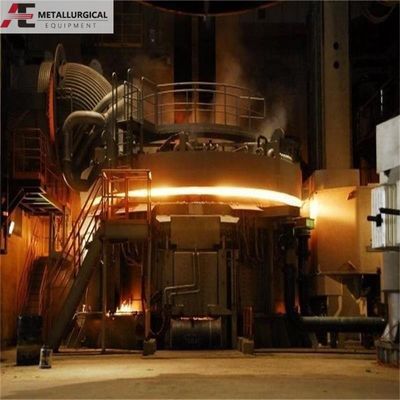
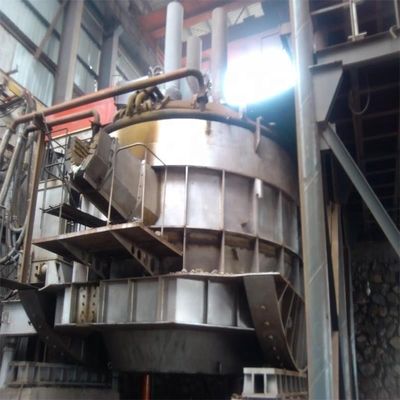
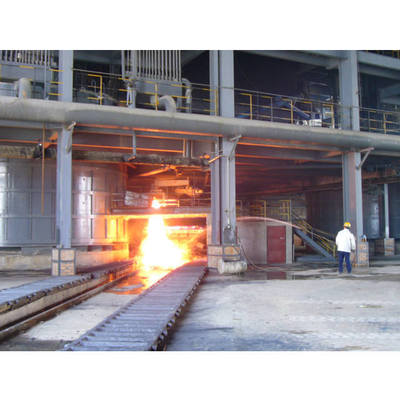
Water-Cooled Electric Arc Furnace (EAF) Roof Steelmaking Process: Safety Challenges and Preventive Measures
The water-cooled EAF roof steelmaking process is fraught with numerous potential hazards. Failure to promptly identify and address these risks through appropriate measures can lead to safety incidents. With the steady increase in steel production, China has placed greater emphasis on production safety. To ensure safe operations, it is essential to prioritize employee welfare, provide a technological and equipment-based foundation for safety, and enhance employee behavioral norms through systematic approaches.
Employee-Centric Safety Measures
From a mental perspective, employees must maintain a positive mindset and healthy emotions to fully engage in their work. The working environment should be equipped with reliable safety facilities and work equipment to prevent harm caused by unsafe conditions. Behaviorally, employees should be guided correctly, with systems in place to discourage risk-taking and reckless behavior aimed at maximizing production and profits at the expense of safety. Safe behaviors should be encouraged and rewarded.
When hiring employees, it is crucial to provide them with necessary safety knowledge training, enabling them to acquire the skills and self-protection awareness required for safe production. In terms of compensation, reasonable wage levels should be established to prevent accidents caused by employees' lack of concentration due to financial concerns. Additionally, emergency plans for major accidents should be prepared, and regular employee drills should be organized.
Hazards in Electric Furnace Production
The production process of electric furnaces involves numerous dangers, including high-temperature burns, oxygen burns, molten steel scalds, gas poisoning, electric shock injuries, mechanical injuries, falls from heights, steam burns, and occupational diseases.
Case Study: Explosion Accident Due to Water Leakage
In January 2001, a steel company experienced a violent explosion in its electric furnace during steelmaking. The incident occurred when the tap hole did not flow freely, and the operator failed to open it after burning oxygen for five minutes. The steelmaker, believing the furnace temperature had dropped, returned to the main control room to resume power supply. One minute after power was restored, a violent explosion occurred, causing molten steel to overflow from the furnace cover, severely burning an employee preparing to add deoxidizer, displacing the electric furnace cover, blowing off the electrodes, collapsing most of the furnace lining magnesia carbon bricks, and paralyzing the equipment for over four days.
The analysis revealed that a slight water leakage from the water-cooled plate above the tap hole had been ignored in an attempt to maintain production. During tapping, when the furnace body tilted towards the tapping direction, the molten steel level in the tapping tank rose, exacerbating the leakage point's expansion. When power was transmitted, a significant amount of cooling water from the leakage point entered the molten pool, triggering the explosion. The accident caused psychological shock and negative emotions among employees, with losses exceeding 200,000 yuan.
Preventive Measures Against Explosion Accidents Due to Water Leakage
-
Pre-Smelting Inspection: Before smelting, carefully inspect and confirm that the cooling water flow and pressure of all water-cooling systems are normal, in strict accordance with process regulations. During smelting, closely monitor furnace conditions. If abnormal molten steel behavior or steam overflow is observed, immediately halt smelting operations and resume only after thorough inspection and confirmation. Before tapping, reconfirm the absence of water leakage in the furnace; otherwise, prohibit tapping and notify maintenance and relevant personnel for immediate confirmation and action.
-
Component File Management: Establish files for water-cooled components such as the furnace shell and cover, and replace them regularly.
-
Wall Thickness Inspection: During each maintenance period, inspect the wall thickness of the water-cooled plate (especially those on the transformer chamber side and those previously repaired for water leakage), and replace them promptly if issues are detected.
-
Welding Procedures: When repairing leaking water-cooled plates by welding, maintenance personnel must strictly adhere to welding procedure regulations and assign experienced welders to ensure quality and prevent accidents.
-
Furnace Wall Protection: After overhauling the water-cooled furnace wall, spray a layer of refractory material on the inner working surface to protect it. During smelting, create foamed slag for submerged arc smelting. If the slag foaming effect is poor, reduce power to minimize electric arc damage to the furnace wall.
-
Instrumentation and Electrical System: Ensure that the flow, pressure, and temperature signals of all water-cooling systems are normal and accurate. After prolonged furnace shutdown, carefully inspect all water-cooled parts before restarting to confirm their integrity and absence of leakage. Treat any leaks found and inspect the refractory at the leakage site to confirm its dryness and good condition before resuming smelting.
-
Raw Material Quality Control: Strictly control the quality of incoming raw materials and conduct smelting in accordance with process regulations. Scrap steel should not be wet or contain ice, snow, airtight containers, explosives, or other materials that could cause explosions or water-cooled plate leakage, preventing vicious boiling accidents.
By implementing these preventive measures, steel companies can significantly reduce the risk of explosion accidents caused by water leakage in the furnace wall and cover, ensuring safer and more efficient steelmaking operations.
We are a professional electric furnace manufacturer. For further inquiries, or if you require submerged arc furnaces, electric arc furnaces, ladle refining furnaces, or other melting equipment, please do not hesitate to contact us at susan@aeaxa.com


 Your message must be between 20-3,000 characters!