Structure of Vacuum Furnaces
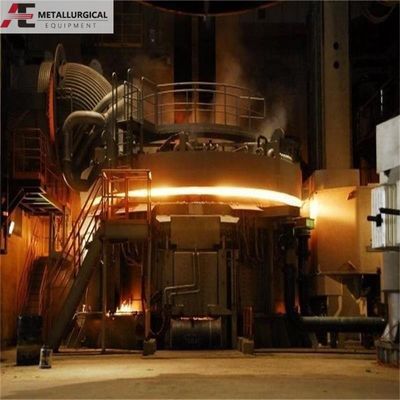
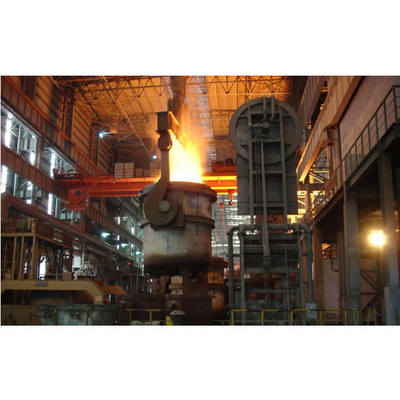
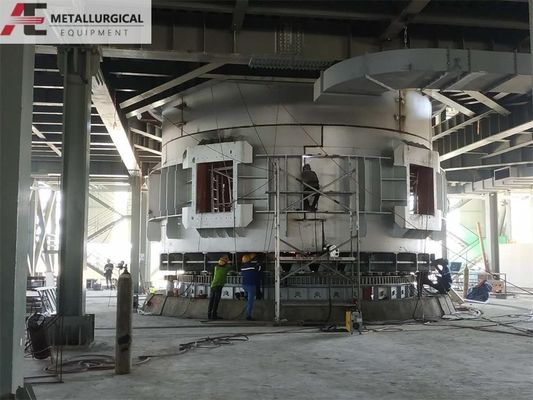
A vacuum furnace is an industrial furnace designed to operate at pressures below atmospheric pressure, achieved by pumping air out of the furnace chamber. Heated electrically, these furnaces ensure that the surface of the workpiece remains free from oxidation and decarburization, resulting in minimal deformation and superior mechanical properties. Metal smelting within a vacuum furnace facilitates the removal of impurities, leading to finished products with fewer pinholes, reduced segregation, and overall high quality. Vacuum furnaces are particularly suitable for smelting and heating high-quality, high-purity, and refractory metals such as tungsten, molobdenum, tantalum, niobium, and titanium, as well as for producing heat-resistant alloy steels, magnetic materials, electrical materials, high-strength steels, stainless steels, tool steels, and die steels.
Historical Development
The first vacuum annealing furnace for electrical materials was developed in the United States in 1927. By 1953, vacuum consumable electric arc furnaces were being used industrially to smelt sponge titanium, and vacuum induction furnaces gained widespread industrial application around the same time. In 1960, the United States further advanced the technology by introducing oil-quenching vacuum furnaces.
Structural Components of a Vacuum Furnace
-
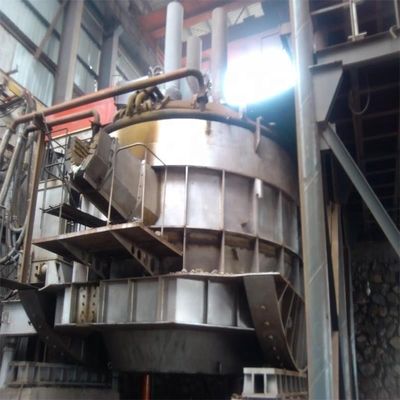
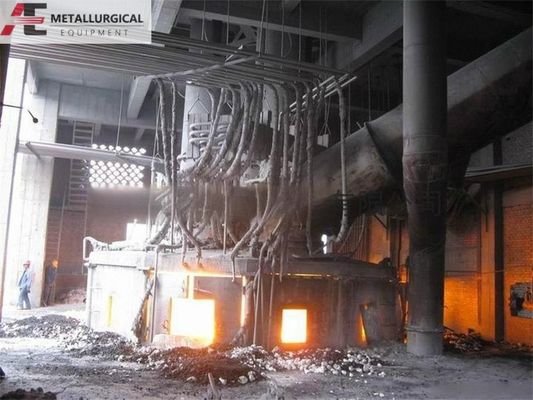
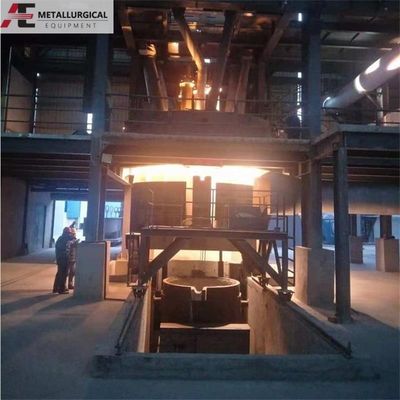
Basic Structure: A vacuum furnace typically comprises an electric heating device, a sealed furnace shell, a vacuum system, a power supply system, and a temperature control system. The sealed furnace shell, constructed from carbon steel or stainless steel, is sealed at detachable joints using vacuum sealing materials. To prevent deformation due to heating and deterioration of the sealing material, the furnace shell is usually cooled by water or air.
-
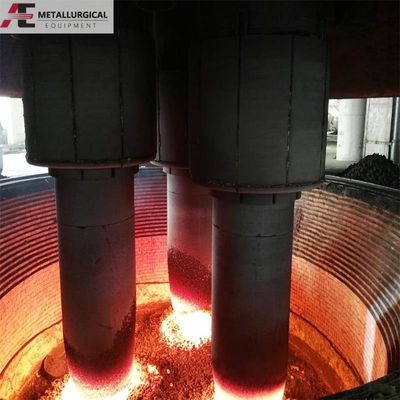
Furnace Chamber: Located within the sealed shell, the furnace chamber houses various types of heating elements depending on its intended use, such as resistors, induction coils, electrodes, or electron guns. For metal smelting, crucibles are placed in the hearth, and some furnaces are equipped with automatic pouring devices and manipulators for loading and unloading materials.
-
Vacuum System: This system primarily consists of vacuum pumps, vacuum valves, and vacuum gauges, essential for creating and maintaining the required low-pressure environment.
Types of Industrial Vacuum Furnaces
Vacuum furnaces can be categorized based on their heating elements into vacuum resistance furnaces, vacuum induction furnaces, vacuum arc furnaces, vacuum consumable arc furnaces, electron beam furnaces (also known as electron bombardment furnaces), and plasma furnaces. After shutting down a vacuum quenching furnace, it is crucial to maintain the vacuum level below 66.5 LPa.
Maintenance Procedures
-
Cleaning: When the furnace becomes dusty or dirty, it should be wiped with a silk cloth soaked in alcohol or gasoline and allowed to dry. Similarly, when disassembling sealing structures on the furnace body, vacuum system, or other parts, they should be cleaned with alcohol or gasoline, dried, coated with vacuum grease, and then reassembled.
-
Surface Maintenance: The outer surface of the vacuum quenching furnace should be frequently wiped to keep it clean. Parts and part carts must be cleaned and dried before entering the furnace to prevent moisture and dirt from contaminating the interior.
-
Mechanical Inspection: If transmission parts are found to be stuck, inaccurate in their limits, or experiencing control failures, they should be addressed immediately without forcing operation to avoid damage. Mechanical transmission parts, such as those in aluminum plate spot welding machines, should be regularly lubricated or replaced as part of routine maintenance.
-
Component Care: Vacuum pumps, valves, measuring instruments, thermal instruments, electrical components, and other accessories should be repaired and maintained according to the technical instructions provided by the manufacturer.
In conclusion, vacuum furnaces are sophisticated industrial tools that require careful handling and regular maintenance to ensure optimal performance and longevity. By understanding their structure and following proper maintenance procedures, operators can maximize the efficiency and reliability of these valuable assets.
We are a professional electric furnace manufacturer. For further inquiries, or if you require submerged arc furnaces, electric arc furnaces, ladle refining furnaces, or other melting equipment, please do not hesitate to contact us at susan@aeaxa.com


 Your message must be between 20-3,000 characters!