Steel Ladles in Steelmaking Plants
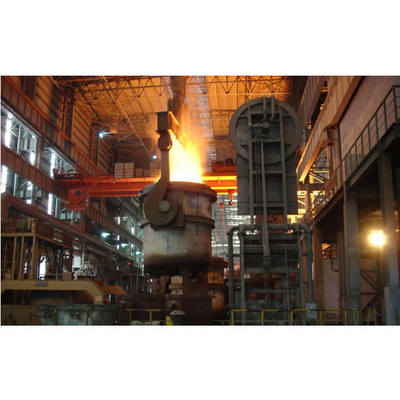
A steel ladle is an essential piece of equipment widely utilized in steelmaking plants and foundries. Its primary function is to receive molten steel and facilitate pouring operations in front of various furnaces, such as open hearth furnaces, electric furnaces, or converters. In Chinese, it is commonly referred to as "gāng bāo" . This article delves into the structural features, usage, and maintenance of steel ladles.
Structural Features
Steel ladles come in two main structural types: the plug-rod type and the sliding nozzle type. Additionally, the gantry supporting the ladle can be either hook-type or bearing-type, providing versatility in handling and operation.
Plug-Rod Type Ladle: This type features a lifting mechanism equipped with a sliding rod gap elimination mechanism. This design ensures that the plug rod maintains consistent alignment with the nozzle's center over multiple uses, enhancing operational reliability and reducing wear.
Sliding Nozzle Type Ladle: In this configuration, the nozzle is controlled by sliding surfaces that open and close to regulate the flow of molten steel. The nozzle bolts are adjusted to ensure that these sliding surfaces maintain good contact, preventing leaks and ensuring smooth pouring.
For ladles weighing less than 10 tons, a rotary reduction box can be installed to facilitate the dumping of slag, improving operational efficiency and reducing manual labor.
Usage and Maintenance
Proper usage and regular maintenance are crucial for ensuring the longevity and safe operation of steel ladles. Here are some key guidelines:
Refractory Lining Installation: Lay refractory bricks according to the specified dimensions in the design drawings. Seal the joints between the bricks with refractory mud to create a continuous and heat-resistant lining.
Pre-Use Inspection: Before using the ladle, carefully inspect all connecting parts for firmness. Check for cracks or looseness in stressed areas and ensure that transmission parts operate flexibly and reliably. Only use the ladle after confirming that it is free from damage and in compliance with operating procedures.
Adjustment and Alignment: For plug-rod type ladles, adjust the stopper bolts and perform centering and debugging to ensure proper alignment. For sliding nozzle type ladles, adjust the nozzle bolts to achieve good contact between the sliding surfaces.
Gantry Inspection: When lifting a detachable gantry, verify that both hooks are in working condition to prevent accidents during handling.
Operational Precautions: Before accepting molten steel and lifting, lock the large pallet securely. During use, pay close attention to whether each part is functioning normally. If any abnormal conditions are detected, immediately shut down the machine for maintenance.
Lubrication: Regularly lubricate all transmission mechanisms and sliding parts to reduce friction and wear, ensuring smooth operation and extending the lifespan of the components.
Overhaul Period: The recommended overhaul period for a steel ladle is two years, with a maximum operating time of 5,500 hours. Regular overhauls help identify and address potential issues before they lead to equipment failure or safety hazards.
In conclusion, steel ladles play a vital role in steelmaking plants, and their proper selection, usage, and maintenance are essential for ensuring efficient and safe operations. By following the guidelines outlined in this article, operators can maximize the performance and lifespan of their steel ladles, contributing to the overall productivity and quality of the steelmaking process.
We are a professional electric furnace manufacturer. For further inquiries, or if you require submerged arc furnaces, electric arc furnaces, ladle refining furnaces, or other melting equipment, please do not hesitate to contact us at susan@aeaxa.com


 Your message must be between 20-3,000 characters!