Steel Billet Production Process
The steel billet production process stands as a pivotal phase in the manufacturing of steel products via a continuous casting machine. It encompasses multiple stages, each contributing to the transformation of raw materials into high-quality billets.
Here, we provide an overview of the entire billet production process, spanning from the initial preparation of raw materials to the final shaping of the billet.
Steel Billet Production Process
Steel billets serve as the foundational raw material for a diverse array of steel products, including rods and wire.
The initial step involves the selection and preparation of raw materials, typically comprising iron ore, coal, and limestone. These materials undergo a series of refining processes aimed at eliminating impurities and achieving the desired chemical composition.
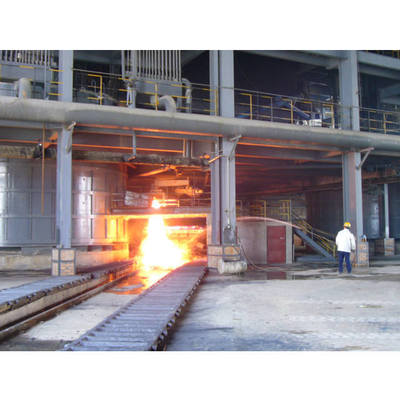
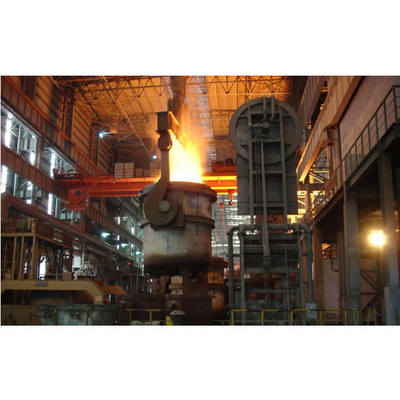
Once the raw materials are prepared, they are mixed and subjected to heating in a blast furnace. The intense heat causes the iron ore to melt, forming liquid iron. This liquid iron, known as molten iron, is subsequently transferred to melting furnaces for further refinement.
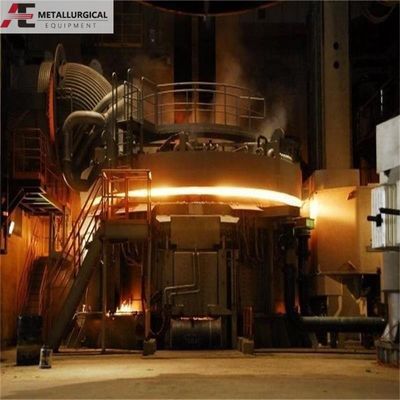
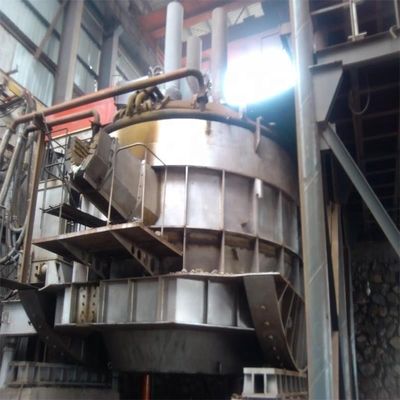
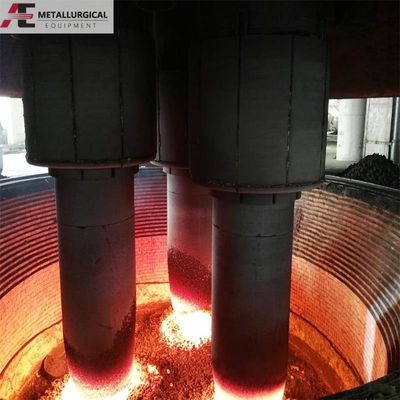
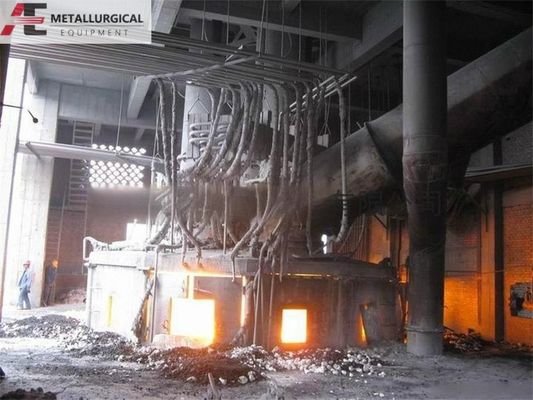
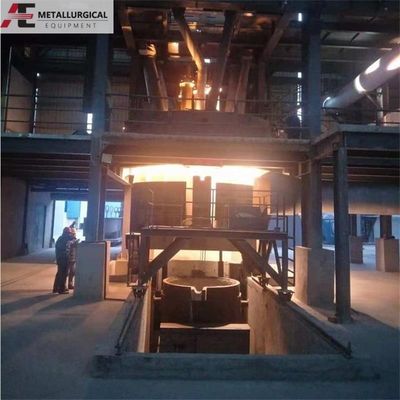
In a steelmaking furnace, the molten iron is combined with scrap steel and other alloying materials to adjust its chemical composition. This process, referred to as secondary steelmaking, ensures that the steel meets the specifications required for the intended end product. During this stage, impurities such as sulfur and phosphorus are removed, while alloying elements like manganese and chromium are added.
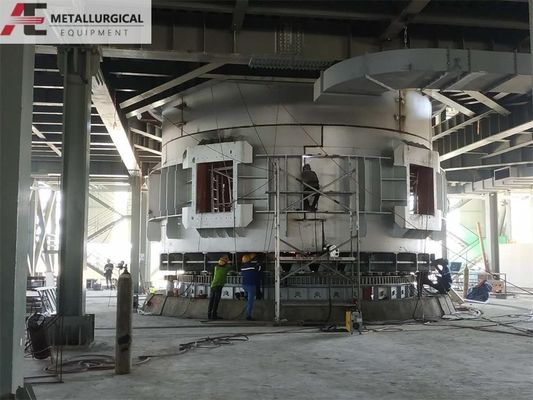
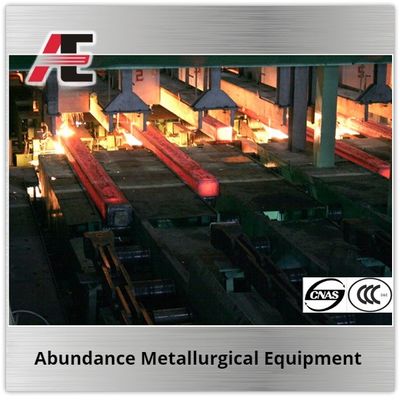
Upon completion of the steelmaking process, the molten steel is poured into a mold to form a billet. Continuous casting emerges as the most prevalent method, wherein the molten steel is poured through a water-cooled mold, causing the steel to solidify gradually. This continuous casting process yields long billets of consistent size and quality.
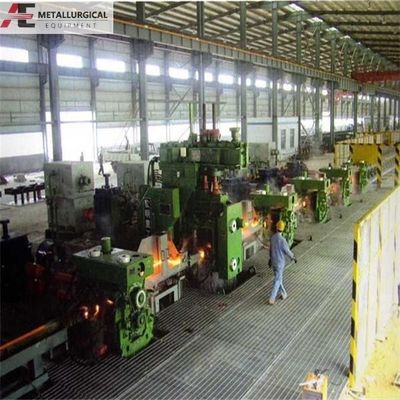
After the billet is formed, it undergoes further processing to enhance its mechanical properties and surface finish. This includes processes such as hot rolling, where the billets are heated and passed through a series of rolling mills to achieve the desired shape and size. Cold rolling may also be employed to further refine the billet and improve its surface finish.
Finally, the finished steel billets are subjected to quality inspection and various testing methods to ensure they meet industry standards. These tests encompass checking for defects such as cracks or surface irregularities, as well as verifying the chemical composition and mechanical properties.
In essence, the steel billet production process constitutes a complex and intricate series of steps that convert raw materials into high-quality steel billets. From the selection and preparation of raw materials to the refining and casting process, each stage plays a crucial role in ensuring that the final product meets the required specifications.
The steel billets produced through this process form the basis for a wide variety of steel products, contributing significantly to numerous industries worldwide.
We are a professional electric furnace manufacturer. For further inquiries, or if you require submerged arc furnaces, electric arc furnaces, ladle refining furnaces, or other melting equipment, please do not hesitate to contact us at susan@aeaxa.com


 Your message must be between 20-3,000 characters!