Seven Advantages of Electric Arc Furnace Steelmaking
1. High-Temperature Efficiency
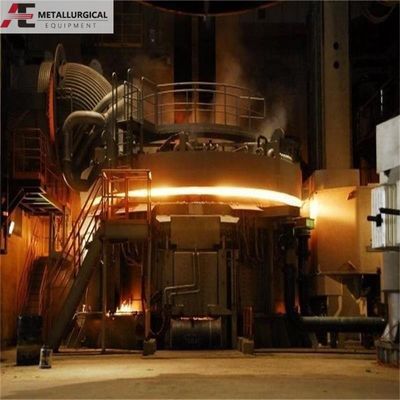
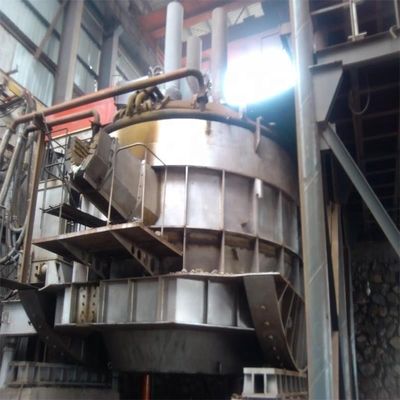
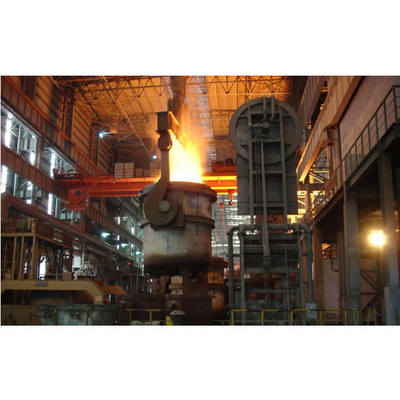
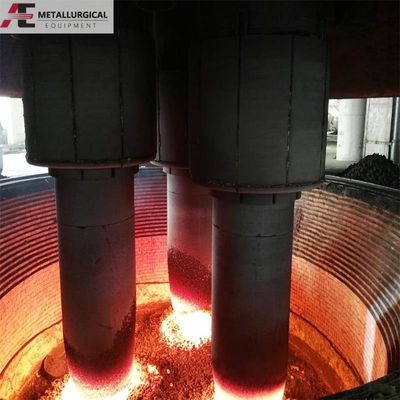
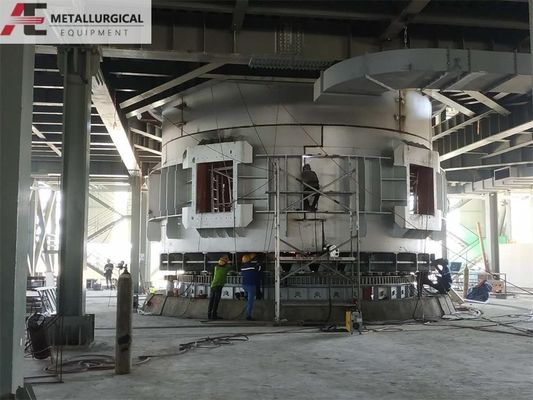
Electric arc furnaces (EAFs) primarily use electrical energy to generate heat. An arc formed between graphite electrodes and the charge produces temperatures exceeding 2000–6000 °C, melting scrap steel through radiation, convection, and conduction. During most of the melting process, the high‑temperature arc is enveloped by the charge, minimizing heat loss through exhaust gases and resulting in higher thermal efficiency compared to other steelmaking equipment such as converters.
2. Precise Temperature and Atmosphere Control
Electric heating enables accurate regulation of furnace temperature. The process can be operated under various conditions—oxidizing or reducing atmospheres, normal pressure or vacuum—according to specific metallurgical requirements.
3. Compact and Flexible Process
EAF steelmaking features a short process flow, relatively simple equipment, and ease of operation. Pollution is more readily controlled, capital investment is lower, and the footprint is smaller compared to integrated steel plants. Unlike converter‑based production, EAFs do not depend on a complex upstream ironmaking system.
4. Broad Raw Material Adaptability
While scrap steel is the main charge material, EAFs can also process molten iron (from blast furnaces or hot metal ladles), direct reduced iron (DRI), hot‑briquetted iron (HBI), pig iron, and other solid or liquid iron‑bearing feeds.
5. Integrated Multistage Refining
The furnace atmosphere can be controlled and slag composition easily adjusted or replaced. Multiple metallurgical operations—melting, decarburization, dephosphorization, degassing, inclusion removal, temperature control, and composition adjustment (alloying)—can be completed within the same vessel.
6. Operational Flexibility
EAF production is batch‑based, allowing intermittent operation and flexible product changes within a defined range. Modern EAFs can also utilize auxiliary energy sources such as heavy/light oil, pulverized coal, or natural gas to enhance energy efficiency and process stability.
7. High‑Quality and Alloy Steel Capability
EAFs are capable of producing high‑quality steels with low phosphorus, sulfur, and oxygen contents. They also allow alloying with a wide range of elements, including easily oxidized ones such as lead, boron, vanadium, titanium, and rare‑earth metals. This enables the production of various premium and alloy steels, including bearing steel, stainless steel, tool steel, electrical steel, heat‑resistant steel, magnetic materials, and special alloys.
Collectively, these advantages make electric arc furnace steelmaking highly adaptable, operationally versatile, and suitable for a broad spectrum of steel grades—especially in markets prioritizing flexibility, quality, and sustainability.
We are a professional electric furnace manufacturer. For further inquiries, or if you require submerged arc furnaces, electric arc furnaces, ladle refining furnaces, or other melting equipment, please do not hesitate to contact us at susan@aeaxa.com


 Your message must be between 20-3,000 characters!