Production of Ferrochrome via Submerged Arc Furnace
Overview of Ferroalloy Smelting Methods
Ferroalloy smelting encompasses several techniques, including the electrothermal reduction method (notably, submerged arc furnace ferrochrome production), metal thermal reduction, and electrolysis. The choice of method depends on the desired ferroalloy variety and quality specifications. Key methods include carbothermal reduction (utilizing blast furnaces), electrothermal reduction (submerged arc furnaces for ferrochrome), metal thermal reduction, and electrolysis. Additionally, high-carbon and high-silicon ferroalloy products can undergo further refinement through processes such as electro-silicon thermal reduction, oxygen-blowing decarburization, and vacuum solid-state decarburization, transforming them into medium and low-carbon ferroalloy products.
Blast Furnace Smelting
The primary apparatus for blast furnace smelting is the blast furnace itself, where the ferroalloy smelting process mirrors that of pig iron production, known as the carbothermic reduction method. Products from this method include ferromanganese, mirror iron (ferromanganese with less than 30% manganese), low silicon ferrosilicon (containing 10% to 15% silicon), and ferronickel.
Submerged Arc Furnace Smelting for Ferrochrome Production
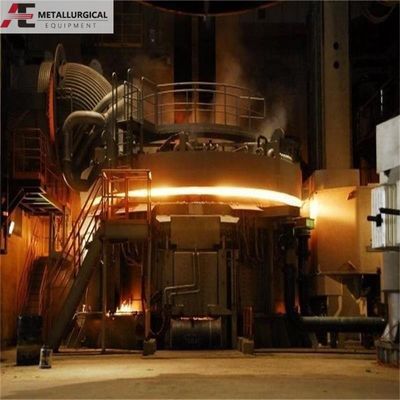
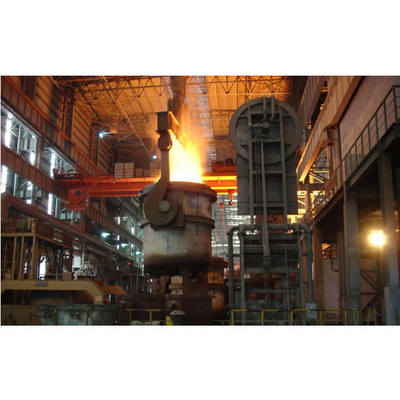
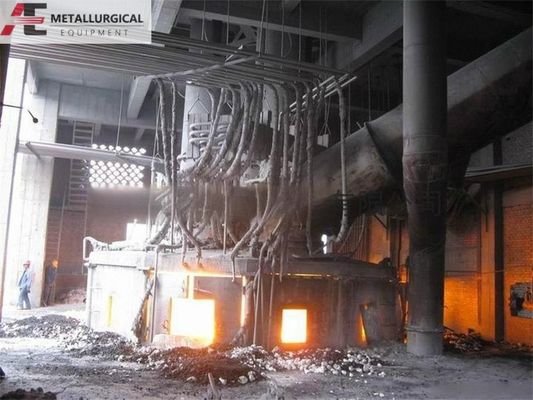
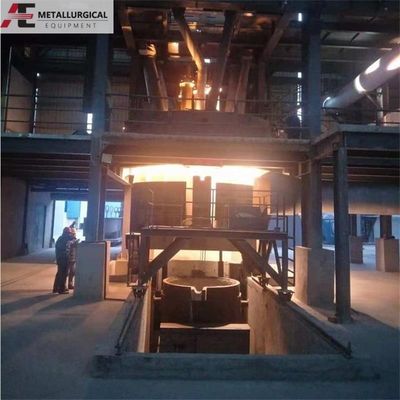
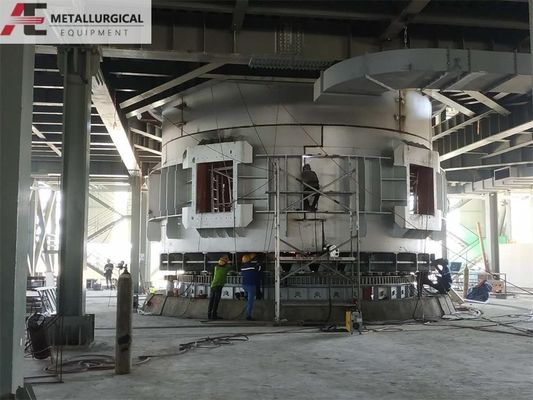
The majority of ferroalloy products, such as ferrosilicon, carbon ferromanganese, silicon manganese alloy, carbon ferrochrome, nickel-iron, silicon chromium alloy, and silicon calcium alloy, are produced using submerged arc furnaces, especially for ferrochrome.
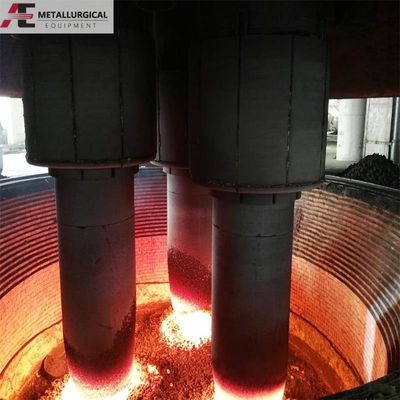
In a submerged arc furnace, ore is combined with coke or another carbonaceous reducing agent, and smelting is achieved through electric heating. During operation, electrodes are buried within the charge, generating arc heat between the electrode tip and the furnace bottom or coke layer, as well as resistance heat from current passing through the charge and slag.
Given that elements like manganese and chromium readily form carbides, smelting ferromanganese and ferrochrome typically yields high-carbon ferroalloy products. Conversely, products like silicon-manganese alloy, silicon-chromium alloy, and silicon-calcium alloy generally have lower carbon content due to silicon's influence. Since electricity serves as the primary heat source and carbon as the main reducing agent in submerged arc furnace smelting, this method is also referred to as the electrothermal or electro-carbothermal method.
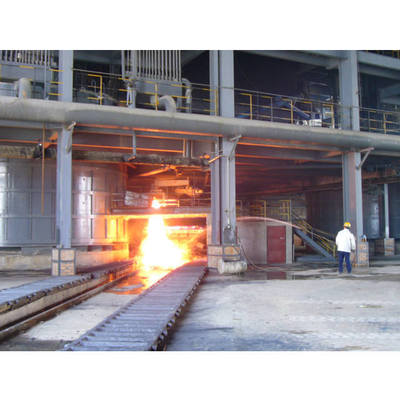
In standard submerged arc furnace operations, ferroalloy melts and slag are periodically discharged through tap holes and slag outlets. Ferroalloys with exceptionally high melting points, such as ferrotungsten, are produced using iron extraction or agglomeration methods.
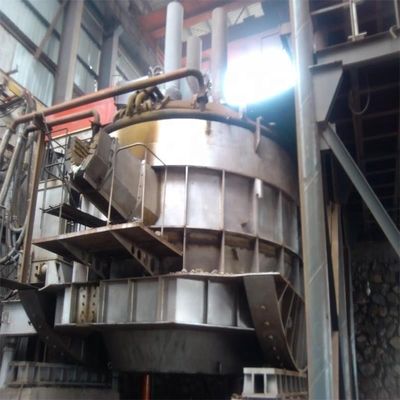
The submerged arc furnace is the cornerstone of electrothermal ferroalloy smelting, often deeply burying its electrodes in the charge, hence its name. Furnace parameters, divided into equipment and smelting characteristic parameters, significantly influence the technical and economic indicators of ferroalloy production.
In the smelting process of ferrochrome production using a submerged arc furnace, the utilization of a carbonaceous reducing agent follows two principles:
- Chemical Carbon Allocation: This refers to the quantity of carbon required to complete ore reduction.
- Physical Carbon Matching: This involves process design to address the impact of the reducing agent on the charge's conductive behavior and permeability, considering factors like the resistivity, particle size, and size ratio of the ore and reducing agent.
Refining Processes
Refining crude ferroalloys, initially smelted in submerged arc or blast furnaces, involves several key processes:
-
Converter Oxygen Method: Utilizing a converter with various oxygen supply methods (top, bottom, side-blowing, and top-bottom composite blowing), this process involves mixing liquid high-carbon iron alloy with pure oxygen, coolant, and slag-forming materials. High-pressure oxygen is blown into the converter to facilitate decarburization through oxidation reactions, producing medium and low-carbon ferrochromium and ferromanganese intermittently.
-
Submerged Arc Furnace Ferrochrome Production - Shake the Bag Method: This electro-silicon thermal reduction refining process involves smelting medium and low-carbon silicon-manganese or silicon-chromium master alloys in a submerged arc furnace, then refining with manganese or chrome ore in a refining electric furnace and shaker bag, adding lime flux for desiliconization.
-
Vacuum Solid-State Decarburization Method: High-carbon solid iron alloys are ground into powder, mixed with an oxidant, and subjected to decarburization under vacuum after mixing, pressing, and drying, yielding micro-carbon iron alloy products, primarily used for preparing low-carbon ferrochrome.
-
Heat Exchange Method: Also known as the Perrin method, invented by R. Perrin, this desiliconization and refining technique involves mixing liquid metal with liquid slag, primarily used for ferrochromium refining.
-
We are a professional electric furnace manufacturer. For further inquiries, or if you require submerged arc furnaces, electric arc furnaces, ladle refining furnaces, or other melting equipment, please do not hesitate to contact us at susan@aeaxa.com


 Your message must be between 20-3,000 characters!