Medium Frequency Induction Furnace Structure
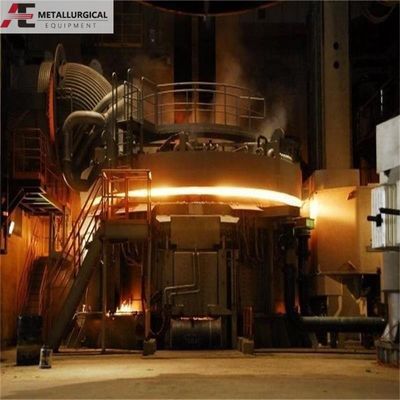
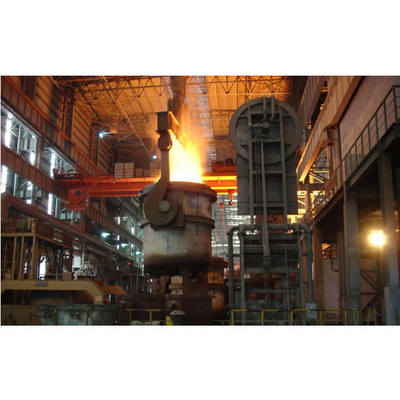
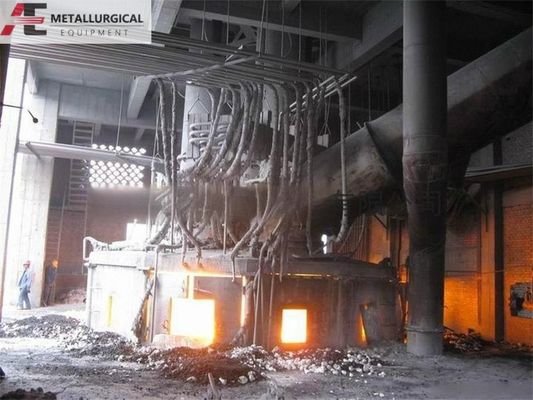
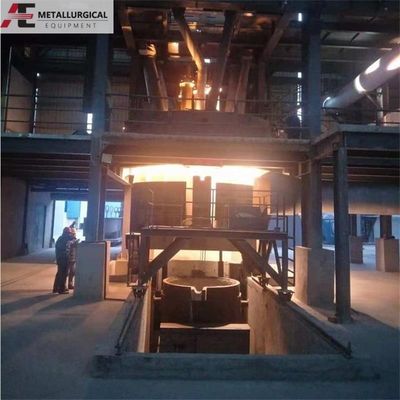
A medium frequency induction furnace is a specialized furnace that harnesses electromagnetic induction to heat materials, particularly metals. It is composed of multiple components that collaborate harmoniously to establish the essential conditions for heating and melting metals.
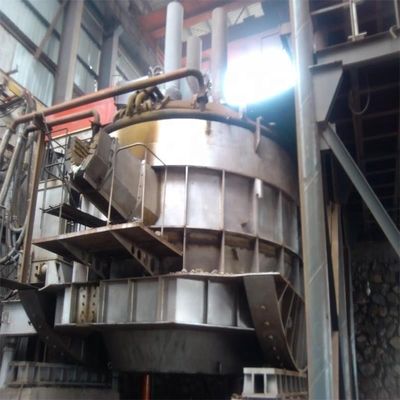
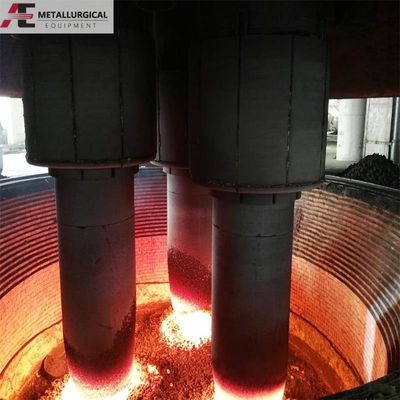
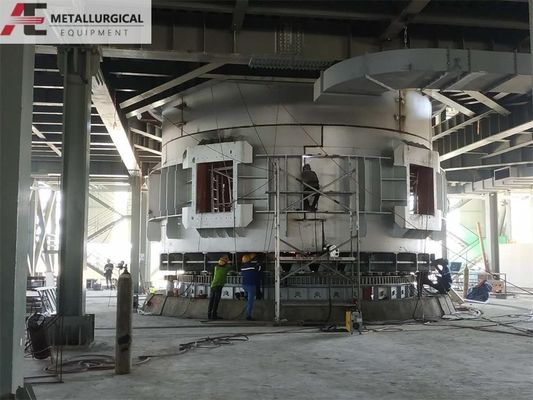
The fundamental structure of a medium frequency induction furnace encompasses a furnace chamber, an induction coil, a power supply, a cooling system, and a control system. The furnace chamber is generally constructed from refractory materials like silica or alumina. These materials are chosen for their ability to endure high temperatures and resist corrosion, ensuring the longevity and durability of the furnace.
The induction coil stands as a pivotal element within the furnace. It is responsible for generating the electromagnetic field that induces an electric current in the metal being heated. Typically crafted from copper tubing, the coil is wound around a water-cooled copper core. This design not only enhances the coil's efficiency but also aids in dissipating heat generated during operation. The power supply, on the other hand, furnishes the electrical energy required to energize the induction coil, enabling it to perform its heating function.
The cooling system is ingeniously designed to extract heat from the furnace chamber and avert overheating. This can be accomplished through various cooling methods, including water cooling, air cooling, or oil cooling. Beyond preventing overheating, the cooling system also plays a crucial role in maintaining temperature stability within the furnace chamber, ensuring consistent and reliable heating performance.
The control system assumes the responsibility of monitoring and regulating diverse parameters of the furnace, such as temperature, pressure, and flow rate. It typically comprises sensors, controllers, and alarms that provide real-time feedback, enabling operators to make timely adjustments and ensure the safe operation of the furnace. This level of control is vital for achieving precise heating results and preventing potential hazards.
In addition to these core components, certain medium frequency induction furnaces may incorporate supplementary features to enhance their functionality. For instance, a vacuum system can be integrated to improve heat transfer efficiency, while a gas injection system can be employed to control the atmosphere inside the furnace, facilitating specific heating processes. Moreover, a vibration isolation system can be installed to reduce noise and vibration, creating a more conducive working environment.
Overall, the structure of a medium frequency induction furnace is meticulously designed to deliver efficient and controlled heating of metals while prioritizing safety and reliability. Its compact design and capability to operate at elevated temperatures render it a favored choice for a wide array of industrial applications, where precise and reliable metal heating is paramount.
We are a professional electric furnace manufacturer. For further inquiries, or if you require submerged arc furnaces, electric arc furnaces, ladle refining furnaces, or other melting equipment, please do not hesitate to contact us at susan@aeaxa.com


 Your message must be between 20-3,000 characters!