Industrial Silicon Furnace: Repair Methods for the Carbon Brick Taphole
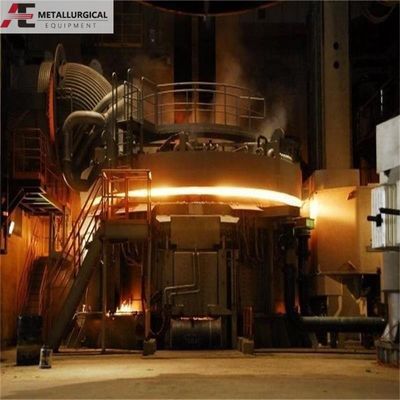
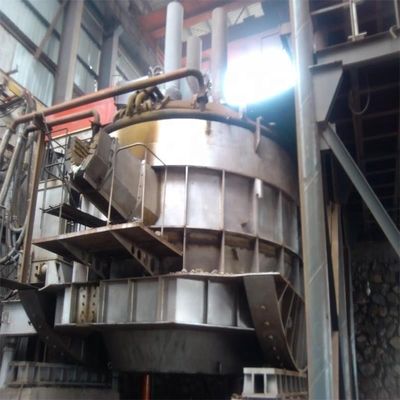
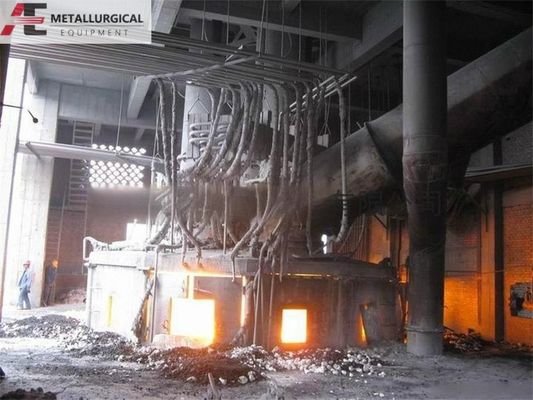
The industrial silicon furnace is a type of submerged arc furnace specifically used for producing molten silicon. Within the furnace, the taphole (or "furnace eye") area is the weakest link, suffering the fastest damage due to severe erosion from high-temperature slag and molten silicon. This critical section is typically lined with carbon brick.
1. Damage Mechanisms of the Taphole Carbon Brick
Damage to the carbon bricks in the taphole primarily results from two factors: the inherent susceptibility of carbon to oxidation, and mechanical erosion from high-temperature fluids.
1.1 Carbon Brick Oxidation
While carbon bricks offer significant advantages for this application, they possess a critical flaw: susceptibility to oxidation. The taphole area is perpetually exposed to air, which accelerates the oxidation rate of the carbon bricks.
1.2 Mechanical Erosion
Mechanical wear occurs from several sources:
The flushing action of molten silicon during tapping, which gradually enlarges the taphole.
Aggressive mechanical cleaning operations when high-viscosity slag causes poor flow or difficult taphole opening.
Thermal spalling caused by rapid temperature fluctuations between the hot tapping phase and the subsequent plugging/cooling phase, due to the furnace's intermittent operation cycle.
Unbalanced current distribution within the submerged arc furnace, which can create localized hotspots and accelerate taphole wear.
2. Taphole Repair Methods
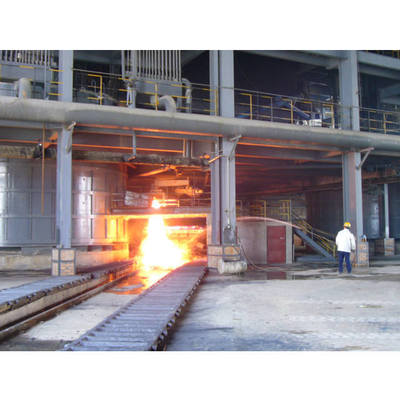
Prolonged exposure to furnace gases, molten silicon, and slag corrodes and erodes the taphole into an oval shape. Once enlarged, it becomes difficult to plug, leading to leaks and "run-outs," necessitating repair or replacement.
2.1 Traditional Repair Method
The conventional approach involves technicians manually repairing the damaged taphole. The process includes:
Clearing silicon and slag deposits from the area.
Filling the damaged taphole, inside and out, with electrode paste.
Forming a protective outer layer using a castable refractory.
In a typical operation with five tapholes in rotation, each requires repair after 5-7 days of use. This frequent maintenance negatively impacts key technical and economic indicators, characterized by high labor intensity, poor working conditions, long downtime, high cost, and low overall efficiency.
2.2 Advanced Taphole Repair Technology
To address the inefficiencies of the traditional method, a new repair technology has been developed. The specific procedure is as follows:
① Precision Removal: Use a specialized drilling rig to bore out the damaged carbon brick. The depth and diameter of the bore are determined by the extent of the damage.
② Composite Filling: Fill the newly created cavity with a composite material made from electrode paste, silicon carbide, and pitch. This filler is chosen for its excellent fluidity and bonding properties when heated, allowing it to sinter into a monolithic structure with the original carbon brick. The silicon carbide component adds oxidation and wear resistance, extending service life.
③ Graphite Sleeve Insertion: Insert a graphite carbon sleeve into the filled cavity. The graphite sleeve provides superior mechanical wear resistance, oxidation resistance, and corrosion protection for the taphole structure.
④ Gap Sealing: Use electrode paste and fine-gap paste to seal any remaining gaps between the filler and the graphite sleeve, ensuring the carbon brick and sleeve are fused together during coking.
⑤ Runner Repair: Repair the tapping runner with a high-alumina castable and then apply a protective layer of electrode paste.
Following this repair, controlled baking is required before the taphole is returned to service. This advanced technology has gained widespread adoption within the industry in China. Field applications demonstrate that it effectively extends taphole life, reduces the frequency of replacements, lowers repair costs, and improves the overall output and economic performance of industrial silicon furnaces.
We are a professional electric furnace manufacturer. For further inquiries, or if you require submerged arc furnaces, electric arc furnaces, ladle refining furnaces, or other melting equipment, please do not hesitate to contact us at susan@aeaxa.com


 Your message must be between 20-3,000 characters!