Induction Furnace Steel
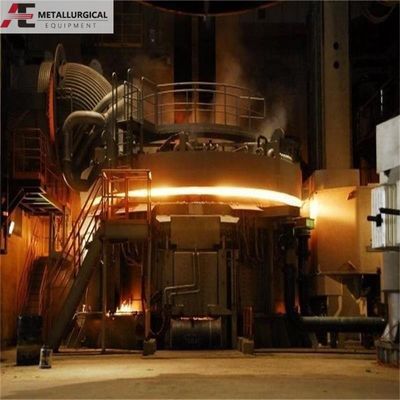
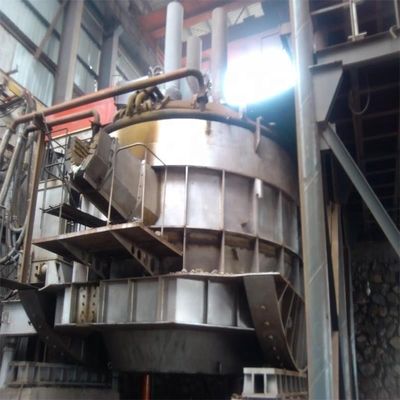
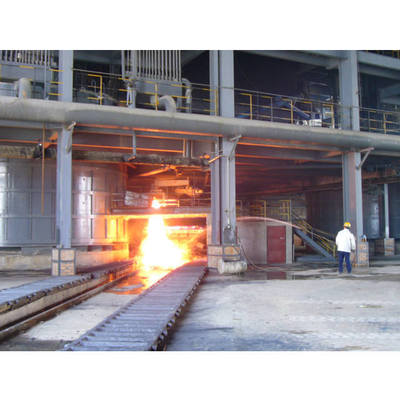
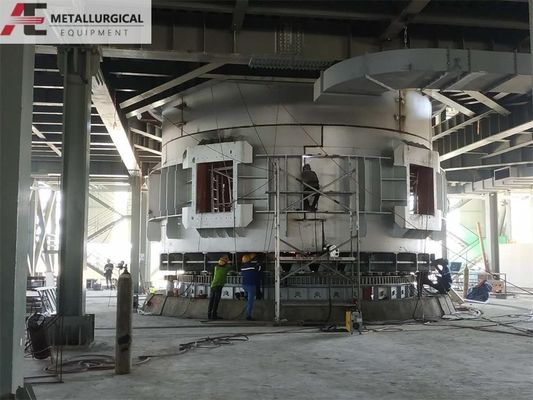
Induction furnace steel has brought about a revolutionary change in the steel industry by offering an efficient and cost-effective approach to melting and refining metals. These furnaces harness the principle of electromagnetic induction to generate heat, which is subsequently transferred to the metal undergoing melting. Owing to their numerous advantages over traditional furnaces, this technology is gaining increasing popularity.
Induction Furnace Steel: Principles & Advantages
The working principle of induction furnaces (IF) revolves around the use of alternating current (AC) passed through a copper coil. When the current flows, this coil creates a potent magnetic field in its vicinity. When a metallic object, such as scrap steel, is placed within this magnetic field, eddy currents are induced within the metal. These eddy currents, in turn, generate heat due to the resistance of the metal. Consequently, the metal is heated rapidly, reaching its melting point in a short span of time.
One of the primary advantages of induction furnaces in steelmaking is their high energy efficiency. Unlike traditional furnaces that necessitate heating the entire furnace chamber, induction furnaces heat the metal directly, thereby minimizing heat loss. This efficiency translates into reduced energy consumption, rendering induction furnaces more environmentally friendly and cost-effective.
Another significant advantage of induction furnaces is their ability to precisely control the melting process. By adjusting the power supplied to the copper coil, the operator can regulate the temperature with great precision. This level of control results in steel being produced with consistent quality and performance that meets the stringent requirements of various industries.
Induction furnace steel is also renowned for its versatility and flexibility. These furnaces can melt a wide range of metals, including steel, iron, copper, and aluminum. Moreover, they can handle different batch sizes, making them suitable for both small-scale and large-scale steel production. The ability to swiftly switch between different metal alloys also makes induction melting furnaces ideal for foundries and metal recycling facilities.
The compact size and design of induction furnaces further contribute to their popularity. Unlike traditional furnaces, which often require large installations and extensive infrastructure, induction furnaces can be easily installed in existing facilities. This compactness allows for more efficient use of space and provides greater flexibility in setting up steelmaking operations.
In conclusion, induction furnace steel has significantly enhanced and transformed the steelmaking industry by providing an efficient and flexible method of melting and refining metals. Their ability to precisely control the melting process, coupled with high energy efficiency and versatility, makes them indispensable in modern steel production. As the demand for high-quality steel continues to rise, induction furnaces will play a pivotal role in meeting these requirements while simultaneously reducing energy consumption and environmental impact.
We are a professional electric furnace manufacturer. For further inquiries, or if you require submerged arc furnaces, electric arc furnaces, ladle refining furnaces, or other melting equipment, please do not hesitate to contact us at susan@aeaxa.com


 Your message must be between 20-3,000 characters!