How Is Billet Made? – Unveiling the Steel Billet Production Process
When it comes to the question of how billet is made, especially steel billet, a comprehensive understanding of the entire production journey is essential. Let's delve into the intricate steps involved in creating this fundamental component in the metal - working industry.
Raw Material Selection: The Foundation of Quality
The production of steel billets kicks off with the meticulous selection of appropriate raw materials. These materials predominantly consist of metals like steel, aluminum, or copper. The choice is made based on the specific properties required and the intended application of the final billet. For instance, if high strength is crucial, a particular grade of steel with the right alloying elements might be chosen. This initial step lays the groundwork for the entire production process, as the quality and characteristics of the raw materials significantly impact the quality of the end - product.
Melting: Transforming Solids into a Molten State
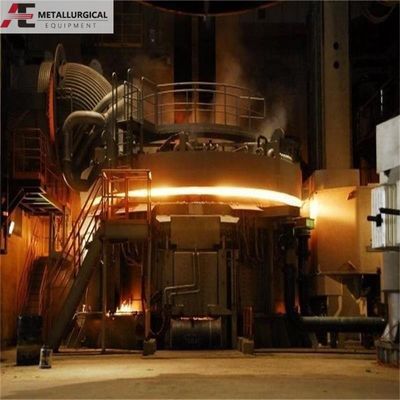
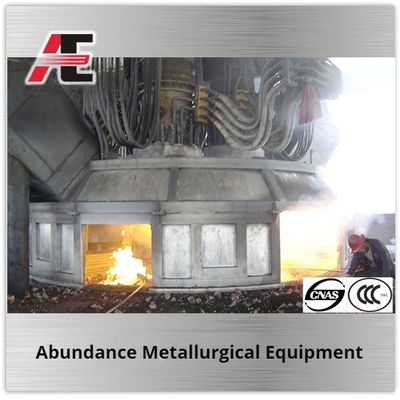
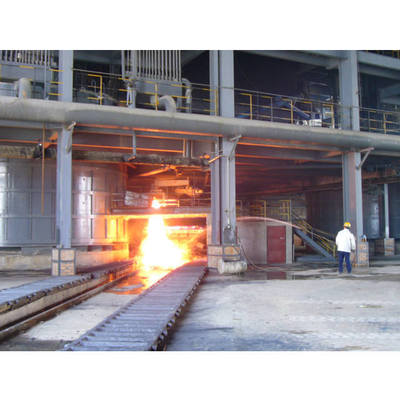
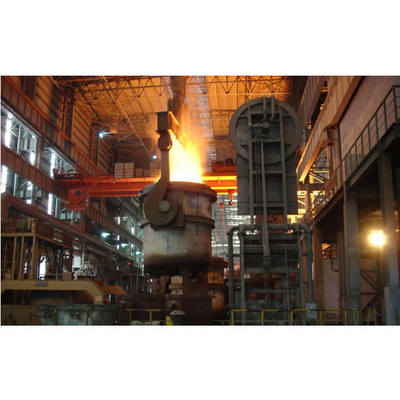
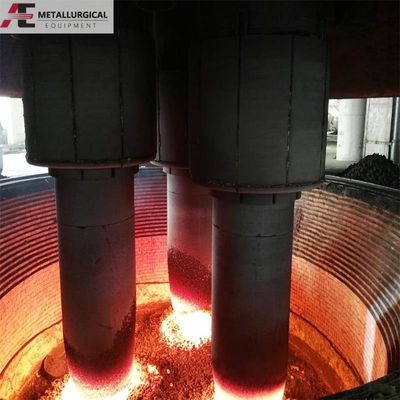
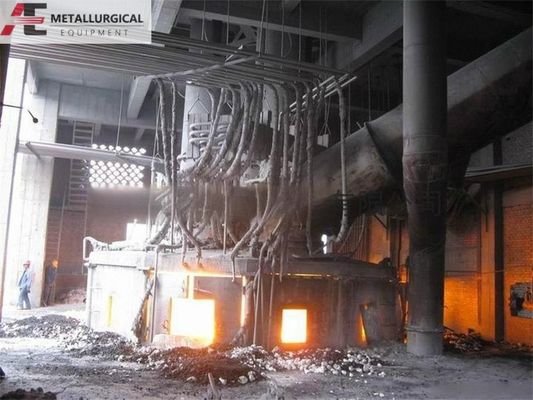
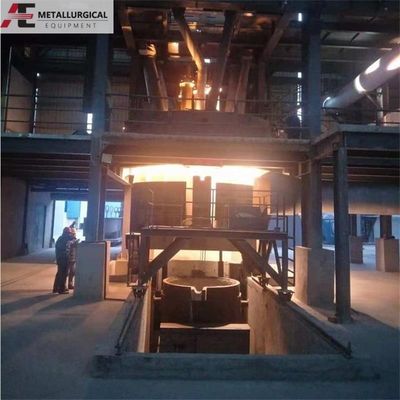
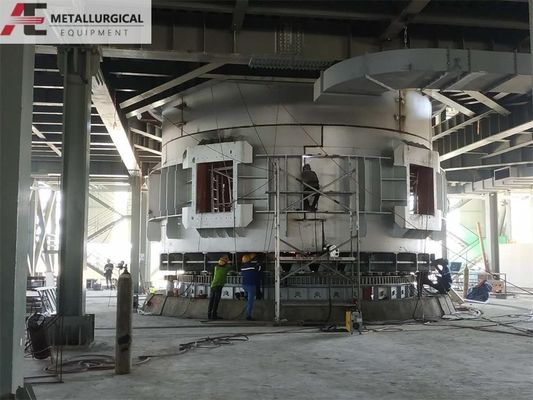
Melting stands as the primary stage in billet production. Here, the selected raw materials are subjected to extremely high temperatures, causing them to transition from a solid to a molten state. Different melting methods are employed depending on the type of metal being processed. Electric arc furnaces are commonly used for steel melting. They utilize an electric arc to generate intense heat, melting the metal effectively. Induction furnaces, on the other hand, rely on electromagnetic induction to heat the metal, offering precise temperature control. Oxygen converters are also an option, especially for large - scale steel production, where oxygen is blown into the molten iron to remove impurities and adjust the carbon content while melting.
Refining: Enhancing Quality and Purity
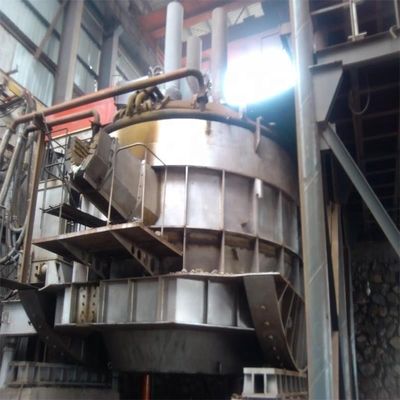
Once the molten metal is obtained, the refining process takes center stage. This step is crucial for ensuring the high quality and integrity of the final billet. Specific alloys or fluxes are added to the molten metal during refining. These additives serve multiple purposes. They enhance the properties of the metal, such as improving its strength, ductility, or corrosion resistance. At the same time, they help remove unwanted impurities like sulfur and carbon. Sulfur can make the metal brittle, while excessive carbon can affect its weldability and other mechanical properties. By carefully controlling the refining process, manufacturers can produce molten metal with the desired composition and characteristics.
Casting: Shaping the Molten Metal
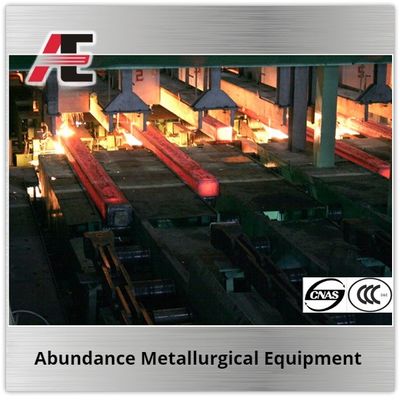
After refining, the molten metal is ready to be cast into the desired shape. Casting molds, typically made of steel, are used for this purpose. These molds are precisely designed to give the molten metal the shape of a billet. The molten metal is poured into the mold and then allowed to solidify and cool. The design of the mold is critical as it determines the dimensions and surface finish of the billet. A well - designed mold ensures that the billet has uniform cross - sections and minimal surface defects.
Cooling: Ensuring Structural Integrity
The cooling process is carefully managed to guarantee that the metal solidifies evenly with minimal internal stress. Uneven cooling can lead to defects such as cracks, porosity, or residual stresses within the billet, which can compromise its structural integrity. Depending on the size and type of metal used, various cooling methods are employed. Air cooling is a simple method where the billet is left to cool naturally in the air. Water quenching involves immersing the hot billet in water, which provides rapid cooling. For more precise control, specialized equipment can be used for controlled cooling, adjusting the cooling rate at different stages to achieve the best results.
Conditioning: Achieving a Perfect Surface
Once the billet has solidified and cooled, it undergoes conditioning to remove any surface imperfections or irregularities. This step is essential for obtaining a high - quality product. Conditioning methods include grinding, which smooths out rough surfaces; cutting, which can remove excess material or shape the billet further; and machining, which allows for precise dimensioning and surface finishing. Through these processes, the billet is transformed into a smooth, clean, and dimensionally accurate product.
Further Metalworking: Tailoring to Final Applications
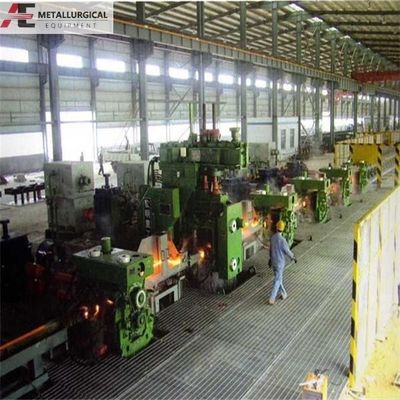
After conditioning, the billet can be subjected to additional metalworking processes such as forging, extrusion, or rolling, depending on its intended use. Forging involves applying pressure to the billet to shape it into a desired form, often improving its mechanical properties in the process. Extrusion forces the billet through a die to create long, continuous shapes with a consistent cross - section. Rolling, on the other hand, passes the billet between rollers to reduce its thickness or change its shape, producing products like bars, rods, or plates.
In conclusion, the production of steel billets is a highly controlled and multi - step process. From the careful selection of raw materials to the final shaping through various metalworking operations, each stage plays a vital role in creating high - quality steel billets. The versatility of steel billets, which find applications in numerous industries, makes understanding their manufacturing process crucial for efficient and reliable metal production.
If you have any questions or requirements regarding steel billets, billet continuous casters, or other metallurgical equipment, please don't hesitate to contact us at any time.
We are a professional electric furnace manufacturer. For further inquiries, or if you require submerged arc furnaces, electric arc furnaces, ladle refining furnaces, or other melting equipment, please do not hesitate to contact us at susan@aeaxa.com


 Your message must be between 20-3,000 characters!