How Does a Submerged Arc Furnace Work?
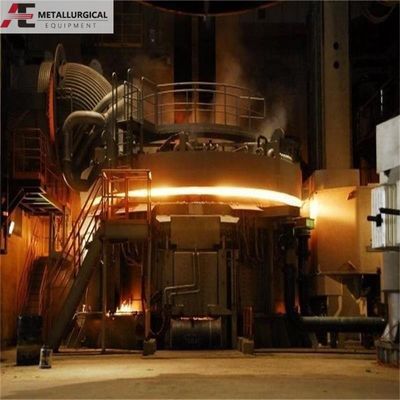
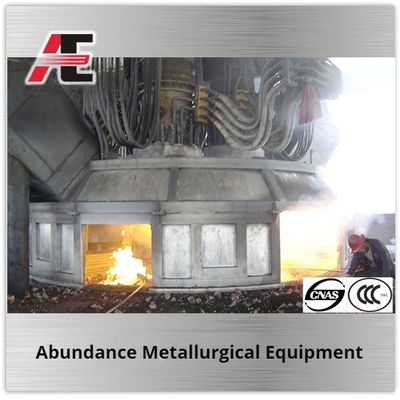
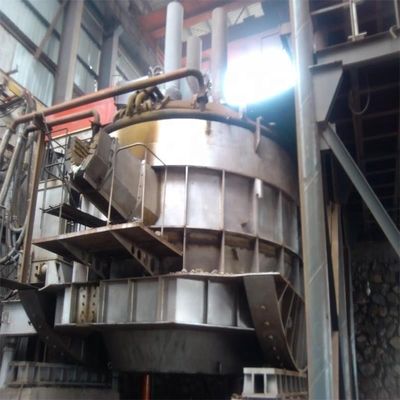
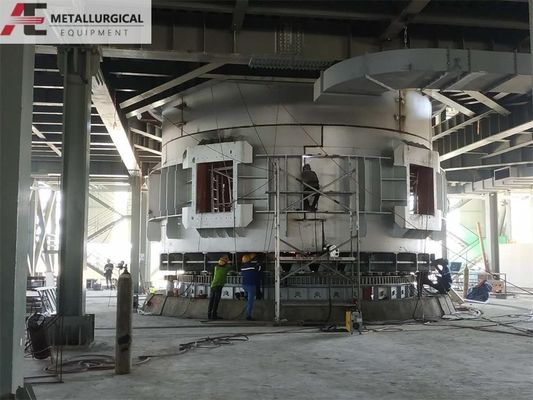
A submerged arc furnace (SAF) is a specialized electric arc furnace widely utilized across various industries to produce metals such as ferroalloys, silicon, and calcium carbide. As an integral component of the manufacturing process, it transforms raw materials into valuable metal products through a series of controlled chemical reactions.
The operational principle of a submerged arc furnace revolves around passing an electric current through a conductive material, known as the charge, which is submerged within a molten bath. This bath typically comprises a blend of flux and solid reducing agents. The high temperatures achieved within the furnace facilitate the necessary chemical reactions to produce the desired alloy or metal.
a) Furnace Charging
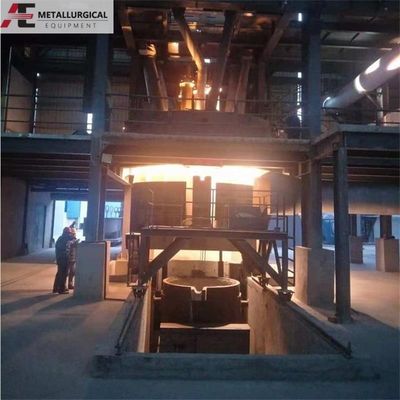
The process begins with furnace charging, where solid raw materials are carefully introduced into the furnace via a charging system. The dosing system ensures precise and controlled addition of these materials to maintain the desired composition of the final product. Raw materials commonly include a combination of metal oxides, carbon, and other additives essential for producing a specific alloy.
b) Current Supply and Arc Formation
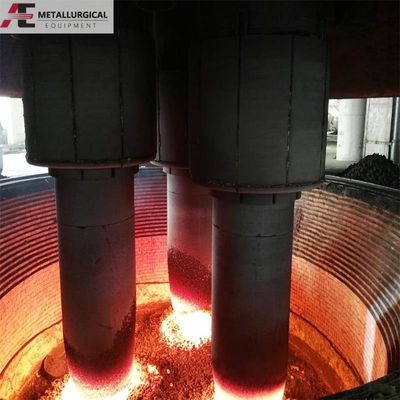
Once the charge is added, current is supplied to the furnace, and an arc forms between the electrode and the charge. This arc generates intense heat, melting the charge and incorporating it into the molten pool. The molten pool provides a highly conductive medium for current flow, ensuring efficient energy transfer throughout the process.
c) Chemical Reactions in the Molten Pool
During the operation of the submerged arc furnace, various chemical reactions occur within the molten pool. These reactions are crucial for achieving the desired composition and properties of the final product. Depending on the specific alloy being produced, different fluxes and reducing agents are employed to promote the desired reactions.
d) Reduction and Slagging Reactions
The reactions within the furnace can be broadly categorized into reduction reactions and slagging reactions. Reduction reactions involve the removal of oxygen from the metal oxides present in the charge, resulting in the formation of a metal alloy. Slagging reactions, on the other hand, lead to the formation of a slag layer atop the molten pool. This slag layer aids in removing impurities and protecting the metal from oxidation.
The temperature within the submerged arc furnace can soar to thousands of degrees Celsius, providing the necessary conditions for rapid chemical reactions. The intense heat ensures thorough mixing and homogenization of the molten pool, ultimately yielding high-quality alloys.
e) Tapping and Final Product Removal
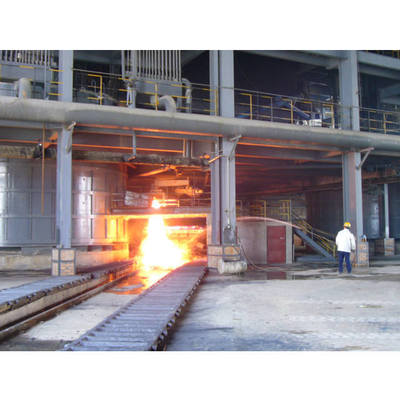
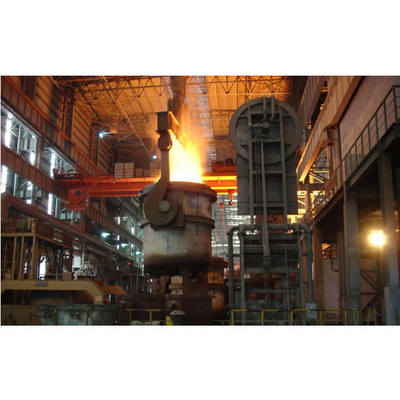
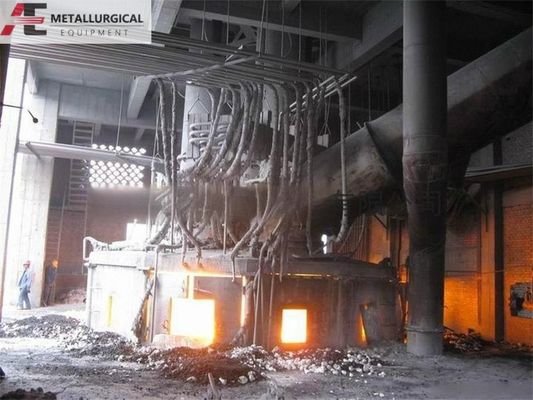
Once the required reaction time has elapsed, the final product is removed from the furnace through a carefully controlled tapping process. This involves managing the flow of molten metal and slag out of the furnace. The metal is collected in ladles or molds, solidified into the desired shape and form, and then transported to the required location for use or continuous casting.
In summary, submerged arc furnaces play a pivotal role in the production of various metals and alloys. By harnessing electrical current and intense heat, they effectively convert raw materials into valuable products. A deeper understanding of the inner workings of submerged arc furnaces enables us to optimize the manufacturing process and ensure the production of high-quality metal alloys.
We are a professional electric furnace manufacturer. For further inquiries, or if you require submerged arc furnaces, electric arc furnaces, ladle refining furnaces, or other melting equipment, please do not hesitate to contact us at susan@aeaxa.com


 Your message must be between 20-3,000 characters!