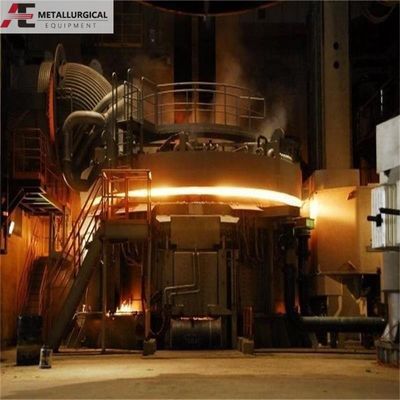
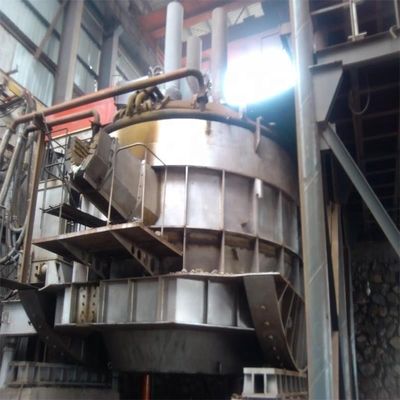
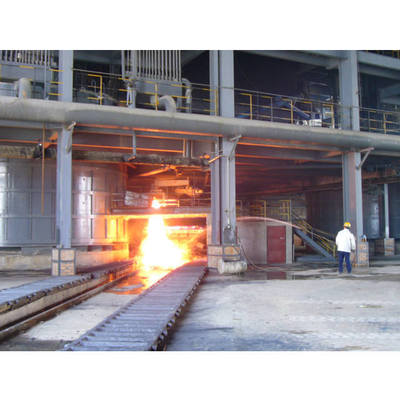
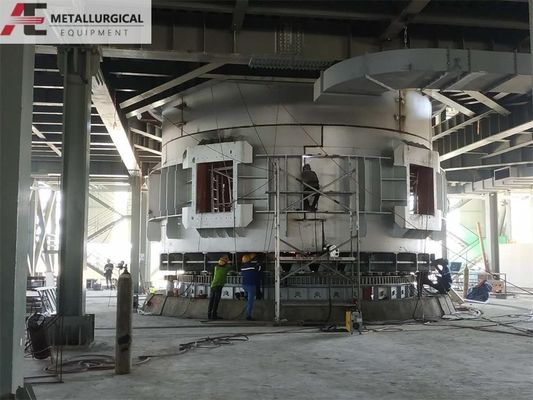
Ferrosilica Furnace: An Energy-Intensive Industrial Electric Furnace
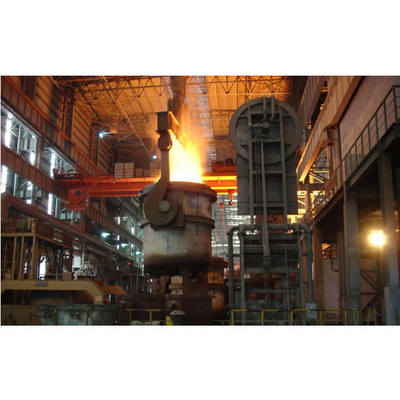
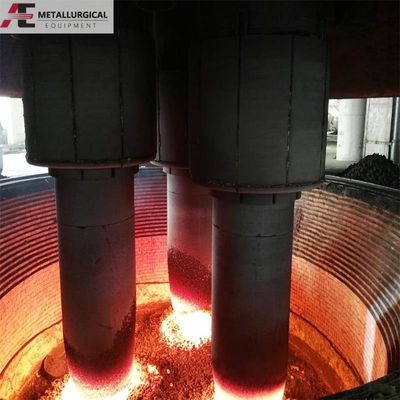
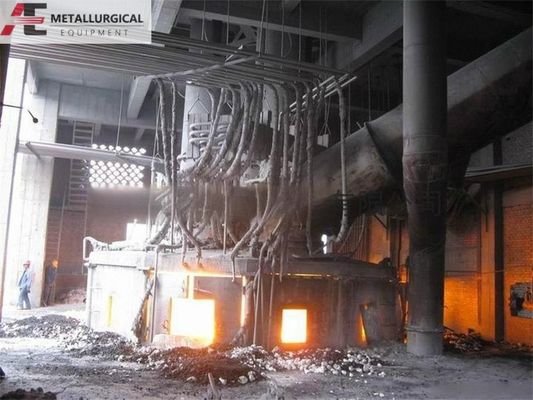
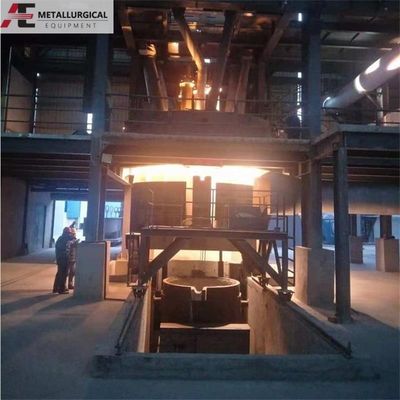
The ferrosilica furnace represents a type of industrial electric furnace renowned for its substantial power consumption. It comprises a comprehensive array of components, including the furnace shell, cover, lining, short net, water cooling system, smoke exhaust and dust removal systems, electrode shell, electrode pressure and lifting system, loading and unloading system, controller, burning device, hydraulic system, transformer, and various electrical equipment. The selection of refractory materials for these components is also highly demanding.
Primarily utilized for producing ferrosilicon, ferromanganese, ferrochrome, tungsten, and silicon-manganese alloys, the ferrosilica furnace operates on a continuous basis, characterized by sequential feeding and intermittent tapping of iron slag. Given its high energy consumption, optimizing energy efficiency and enhancing output are crucial for extending the furnace's lifespan, reducing production costs, and minimizing waste residue pollutants. Below is an overview of refractory material selection strategies tailored to different reaction temperature zones within the ferrosilica furnace, serving as a reference for industry practitioners.
Temperature Zones and Refractory Material Selection
- New Material Preheating Area:
- The topmost layer, approximately 500mm deep, experiences temperatures ranging from 500°C to 1000°C due to high-temperature airflow, electrode conduction heat, surface charge combustion, and charge distribution current resistance heat. Clay bricks are recommended for lining this area due to their suitable thermal properties.
- Preheating Area:
- Following water evaporation, the charge descends and undergoes preliminary transformations, including silica crystal transformation and volume expansion, which may lead to cracking or bursting. With temperatures around 1300°C, high-aluminum bricks are ideal for masonry in this section.
- Sintering Area:
- Acting as the crucible shell, this zone operates at temperatures between 1500°C and 1700°C, where liquid silicon and iron drop into the molten pool, sintering the charge. Given the poor air permeability, broken blocks should be used to restore gas ventilation and increase resistance. Half graphite carbon-silicon carbide bricks are suitable for masonry due to their high-temperature erosion resistance.
- Reduction Area:
- This area witnesses intense chemical reactions, with crucible temperatures ranging from 1750°C to 2000°C. The lower part of the arc cavity is primarily involved in SiC decomposition, ferric silicon generation, and reactions involving liquid Si2O and C. Half graphite baked charcoal bricks are recommended for masonry in this high-temperature zone.
- Arc Area:
- Located at the bottom electrode cavity, this area experiences temperatures exceeding 2000°C, representing the highest heat zone and the primary source of furnace temperature distribution. The insertion depth of the electrode, typically maintained at 400mm-500mm from the furnace bottom, significantly influences temperature distribution. Half graphite baked charcoal bricks are also used for masonry in this extremely high-temperature area.
Additional Considerations
- Permanent Layer: Phosphate concrete or clay bricks can be used for the permanent layer, providing long-lasting structural integrity.
- Furnace Door: Corundum castable or pre-laid silicon carbide bricks are suitable for casting the furnace door, ensuring durability and heat resistance.
In conclusion, selecting appropriate, environmentally friendly refractory bricks and castables for lining the ferrosilica furnace is crucial, taking into account factors such as furnace size, temperature, and erosion degree. This strategic approach ensures optimal performance, extended lifespan, and reduced environmental impact.
We are a professional electric furnace manufacturer. For further inquiries, or if you require submerged arc furnaces, electric arc furnaces, ladle refining furnaces, or other melting equipment, please do not hesitate to contact us at susan@aeaxa.com


 Your message must be between 20-3,000 characters!