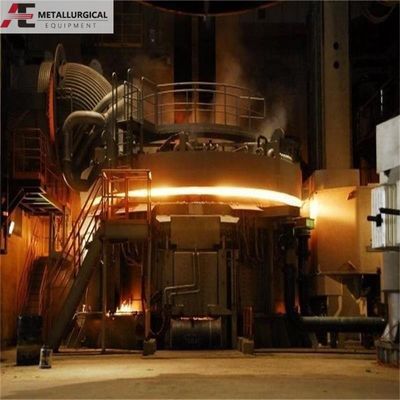
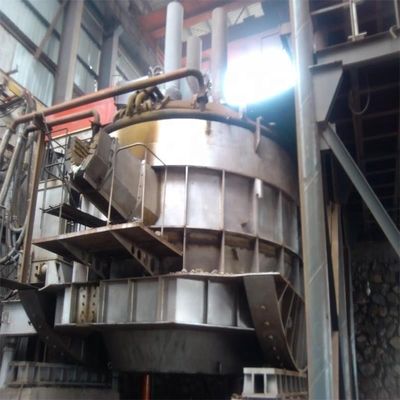
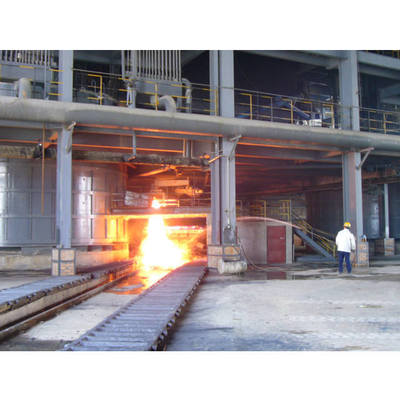
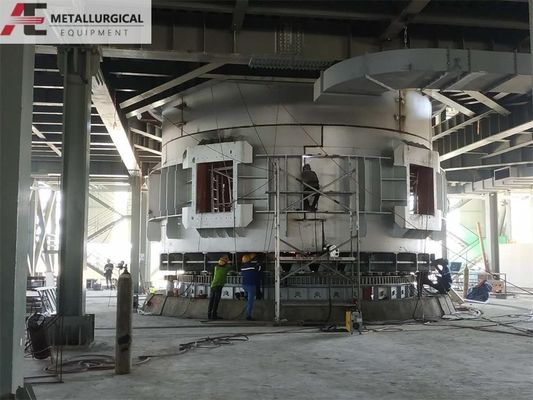
Features of the Electric Arc Furnace
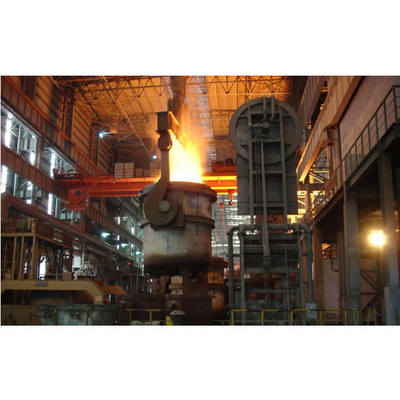
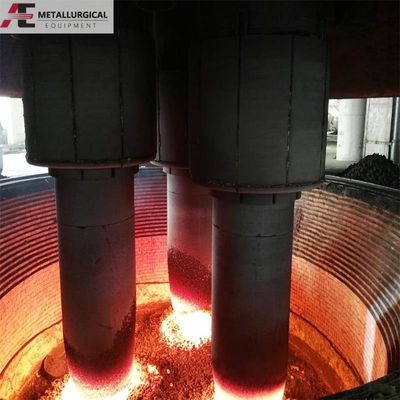
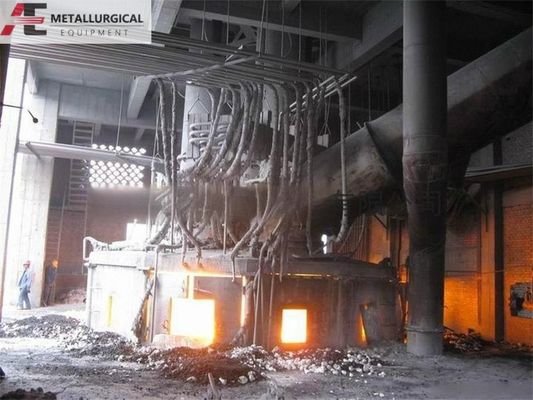
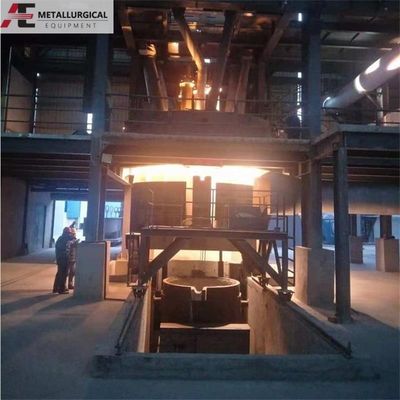
The electric arc furnace (EAF) primarily uses electrical energy as its heat source. An arc is formed between graphite electrodes and the metallic charge, generating temperatures ranging from 2,000°C to over 6,000°C. Scrap steel is melted through a combination of arc radiation, convective heat transfer, and conduction. During most of the melting period, the high-temperature arc is surrounded by the charge, which minimizes heat loss from exhaust gases and results in higher thermal efficiency compared to other steelmaking equipment such as basic oxygen furnaces. Additionally, electric heating allows precise temperature control, and operations can be conducted under various conditions—including oxidizing or reducing atmospheres, as well as normal pressure or vacuum—according to process requirements.
The EAF steelmaking process is relatively short, with simple equipment, convenient operation, and pollution that is easier to control. It requires lower capital investment, occupies less space, and does not rely on the complex ironmaking system necessary for converter-based production.
EAF steelmaking exhibits high flexibility in raw material usage. While scrap steel serves as the primary charge material, it can also process molten iron (from blast furnaces or hot metal ladles), direct reduced iron (DRI), hot-briquetted iron (HBI), pig iron, and other solid or liquid iron-bearing feedstocks.
Because the furnace atmosphere can be controlled and slag composition adjusted or replaced relatively easily, multiple metallurgical operations—including melting, decarburization, dephosphorization, degassing, inclusion removal, temperature control, and composition adjustment (alloying)—can be completed within the same vessel. EAF production is inherently batch-based, allowing flexible product changeover within a certain range. Modern EAFs also utilize significant auxiliary energy inputs such as heavy/light oil, pulverized coal, or natural gas. These features make EAF steelmaking highly adaptable, operationally flexible, and widely applicable.
EAFs are capable of producing high-quality steels with low phosphorus, sulfur, and oxygen contents, as well as alloying with various elements—including easily oxidizable ones such as lead, boron, vanadium, titanium, and rare earth metals. This enables the manufacture of diverse high-grade and alloy steels, such as bearing steel, stainless and acid-resistant steel, tool steel, electrical steel, heat-resistant steel, magnetic materials, and special alloys.
Despite these advantages, current scrap steel costs and electricity prices in China limit the competitiveness of EAF steelmaking in the production of common steels and long products compared with converter-based routes. EAFs thus hold a leading position mainly in the production of special steels characterized by small batches, multiple grades, and high alloy content.
Globally, many short-process EAF producers have adopted high-productivity furnace designs. Moreover, traditional three-phase operations including a dedicated reduction period are increasingly replaced by combined process technologies such as external refining, while EAF auxiliary systems and equipment have become more complete and rational. As a result, the global share of EAF steel output continues to grow year by year.
China, as a developing country, is still in the early stages of large-scale infrastructure development, and the period of mass scrap steel recovery has not yet fully arrived. Additionally, the nation’s power infrastructure remains unevenly developed, with electricity prices still relatively high. Consequently, the growth of EAF steelmaking in China has been constrained, lagging behind the rapid expansion of converter-based production. Although total EAF steel output continues to increase, its proportion in the country’s total steel output has declined annually, a trend opposite to the global development pattern for electric arc furnaces.
With future improvements in China’s power infrastructure, accumulation of scrap resources, and strengthened national policies on environmental protection and mineral resource management, EAF steelmaking in China is expected to gain momentum. When these conditions mature, China’s electric arc furnace steelmaking technology will advance more comprehensively and align more closely with global trends.
We are a professional electric furnace manufacturer. For further inquiries, or if you require submerged arc furnaces, electric arc furnaces, ladle refining furnaces, or other melting equipment, please do not hesitate to contact us at susan@aeaxa.com


 Your message must be between 20-3,000 characters!