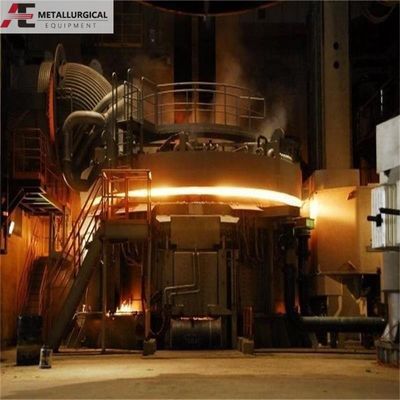
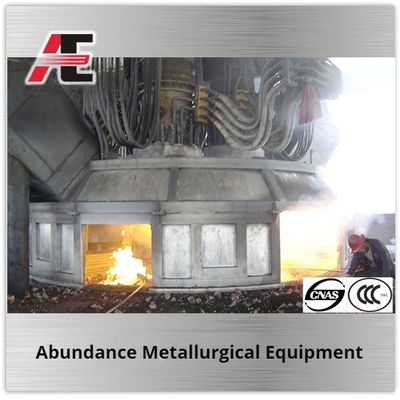
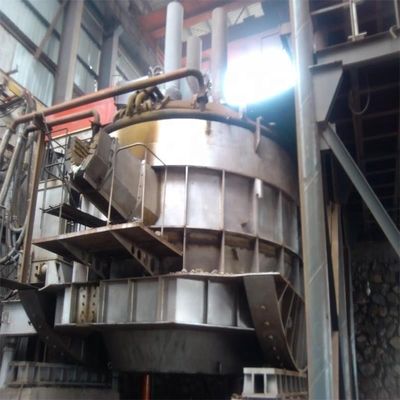
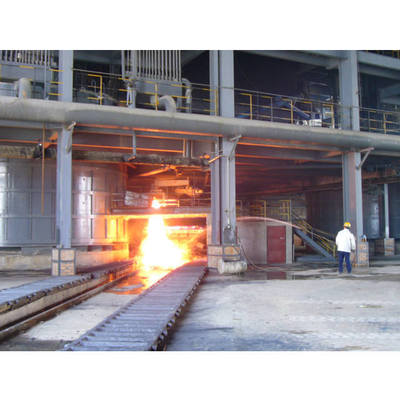
Electric Arc Furnaces Refractory Materials Development
Electric arc furnace (EAF) refractory materials are extensively utilized in the steel industry for manufacturing high - quality steel at a lower cost compared to traditional methods like open - hearth furnaces. However, the intense heat generated during the EAF process can inflict substantial damage on the refractory materials that line the furnace walls and roof. This situation underscores the urgent need for the development of new and enhanced refractory materials capable of enduring the harsh conditions within the EAF environment.
One of the primary challenges in developing EAF refractory materials is striking a balance among high thermal shock resistance, low thermal conductivity, and good chemical stability. The refractory materials must be able to withstand the rapid temperature fluctuations that take place during the EAF process without cracking or spalling. Cracking or spalling can lead to premature failure of the refractory lining, which in turn affects the normal operation of the EAF and the quality of the produced steel.
Moreover, these materials should possess low thermal conductivity to minimize heat loss and cut down on energy consumption. In the highly energy - intensive EAF process, reducing heat loss is crucial for improving energy efficiency and lowering production costs. Finally, the refractory materials must exhibit chemical stability to prevent reactions with the molten steel or other components present in the EAF. Chemical reactions can not only degrade the refractory materials but also contaminate the molten steel, affecting its quality.
To tackle these challenges, researchers and manufacturers have developed a diverse range of refractory materials specifically tailored for use in EAFs. Some of the most prevalent types of EAF refractory materials are as follows:
Alumina - based Refractories
These materials are mainly composed of aluminum oxide (Al₂O₃). They are renowned for their high melting point, good thermal shock resistance, and chemical stability. Due to these properties, they are commonly employed in the hearth and tundish sections of the EAF. The high melting point enables them to withstand the high temperatures in these areas, while the good thermal shock resistance and chemical stability ensure their long - term performance.
Silica - based Refractories
Primarily consisting of silicon dioxide (SiO₂), these materials are characterized by their excellent chemical stability and low thermal conductivity. They are frequently used in the slag tapping and ladle refining sections of the EAF. The low thermal conductivity helps in reducing heat loss during slag tapping and ladle refining operations, and the chemical stability prevents reactions with the slag and molten steel.
Magnesia - based Refractories
Composed mainly of magnesium oxide (MgO), these materials are known for their high melting point and good thermal shock resistance. They are commonly utilized in the submerged entry nozzle (SEN) and other areas of the EAF where high temperatures are prevalent. The high melting point allows them to function effectively in high - temperature zones, and the good thermal shock resistance ensures their durability under rapid temperature changes.
Carbon - based Refractories
These materials are primarily made up of carbon. They are recognized for their high thermal conductivity and good chemical stability. They are often used in the electrode holding devices and other areas of the EAF where heat transfer is of great importance. The high thermal conductivity facilitates efficient heat transfer, and the chemical stability prevents reactions with the surrounding environment.
In addition to these traditional refractory materials, researchers are also investigating newer materials such as silicon carbide (SiC), graphite, and ceramic foams for application in EAFs. These materials offer improved thermal shock resistance, lower thermal conductivity, and better chemical stability compared to traditional refractory materials. For example, silicon carbide has excellent thermal shock resistance and high thermal conductivity, which can be adjusted according to specific requirements. Graphite has good chemical stability and high thermal conductivity, and ceramic foams have low thermal conductivity and good thermal insulation properties.
Overall, the development of new and improved EAF refractory materials has played a pivotal role in facilitating the widespread adoption of EAFs in the steel industry. Continuous research and innovation in this field will be of utmost importance to ensure that EAFs remain a cost - effective and environmentally friendly approach for producing high - quality steel in the future.
We are a professional electric furnace manufacturer. For further inquiries, or if you require submerged arc furnaces, electric arc furnaces, ladle refining furnaces, or other melting equipment, please do not hesitate to contact us at susan@aeaxa.com


 Your message must be between 20-3,000 characters!