Electric Arc Furnace VS Ladle Furnace
When discussing modern steelmaking processes, electric arc furnaces (EAFs) and ladle furnaces (LFs) are often compared. Both play crucial roles in steel production, but they differ significantly in their functions, applications, and technological advancements. This article explores the differences between electric arc furnaces and ladle furnaces, highlighting their unique features and contributions to the steelmaking industry.
Electric Arc Furnace
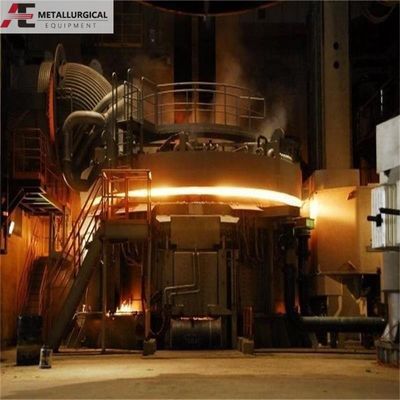
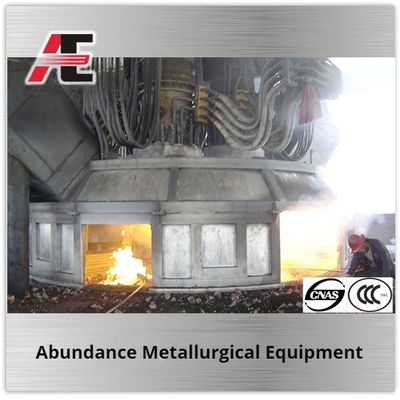
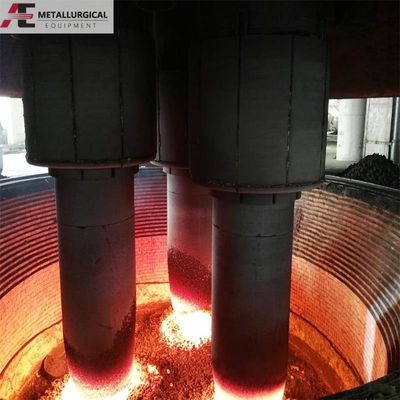
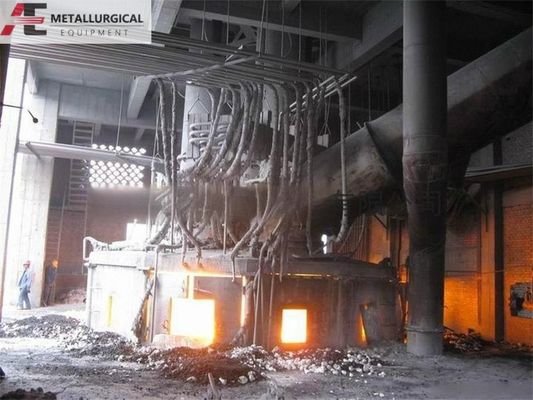
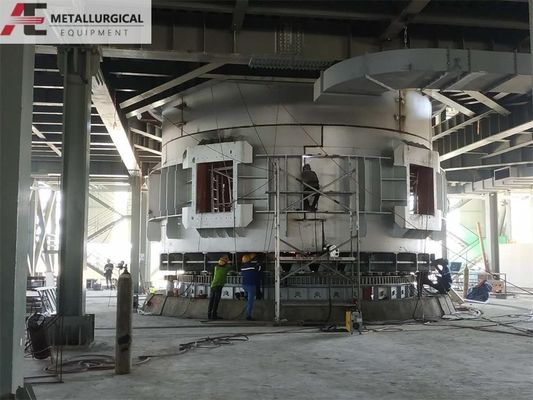
An electric arc furnace is an electric furnace that utilizes the intense heat generated by an electrode arc to smelt ores and metals. When gas discharge forms an arc, the energy becomes highly concentrated, with temperatures in the arc zone exceeding 3000 ℃. For metal smelting, EAFs offer greater flexibility than other steelmaking furnaces. They can effectively remove impurities such as sulfur and phosphorus, and the furnace temperature is easily controllable. Additionally, EAFs occupy a relatively small area, making them suitable for smelting high-quality alloy steel.
With advancements in EAF equipment and smelting technology, coupled with the development of the electric power industry, the cost of EAF steelmaking has steadily declined. As a result, EAFs are now used not only for producing alloy steel but also for manufacturing large quantities of ordinary carbon steel. Their share in the total steel output of major industrial countries continues to rise.
The evolution of modern EAF smelting technology has kept pace with the times. From the 1960s to the 1970s, the focus was on developing ultra-high power supplies and related technologies. High-power arc furnaces (HP) and ultra-high power arc furnaces (UHP) emerged, distinguished from general ordinary power arc furnaces (RP) by their higher transformer capacity per ton of furnace capacity. This trend has continued in recent years, leading to a significant increase in heat energy input per unit time, shorter melting times, improved production capacity, reduced electrode consumption, minimized heat loss, and lower electric energy consumption. Consequently, production capacity has further increased, and costs have been substantially reduced.
Technologies such as high-pressure long arc operation, water-cooled furnace walls and covers, foam slag technology, and the use of external heat sources for melting have been widely adopted. Additionally, ladle refining and enhanced oxygen consumption practices have been implemented. In the 1980s, the development of LF and EBT technologies marked the maturation of the modern EAF steelmaking process, which combines EAF smelting with external refining. Since then, the focus has shifted from using DC or AC power supplies to harnessing secondary combustion and flue gas sensible heat for scrap steel preheating. Various types of modern EAFs have been developed, featuring different methods of scrap steel preheating, including basket preheating, flue shaft furnaces with supporting claws, double-shell EAFs, and Consteel EAFs. The equipment and production technology of EAFs continue to evolve.
Ladle Furnace
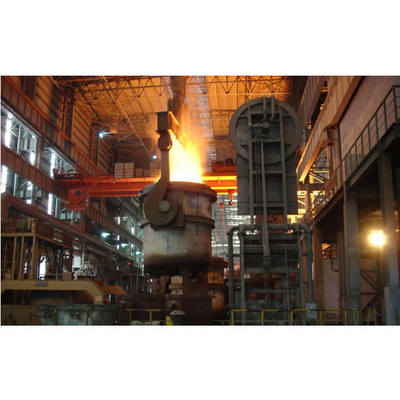
A ladle furnace is an independent type of furnace that serves multiple refining tasks beyond merely providing semi-finished liquid steel for primary smelting furnaces. It operates as an external refining technology that utilizes arc heating under vacuum conditions. Initially melted molten steel from general steelmaking furnaces (such as EAFs, open hearth furnaces, and converters) is transferred to a special ladle for refining. This technology was developed by Japan Datong Steel Co., Ltd. in 1971, based on studies of various refining technologies and equipment, including ASEA-SKF, VAD, VOD, and others. It leverages the mature experiences of other refining methods while avoiding their difficulties.
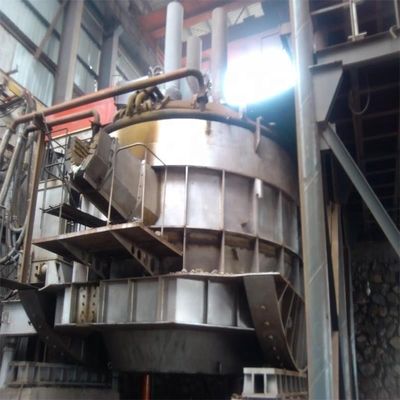
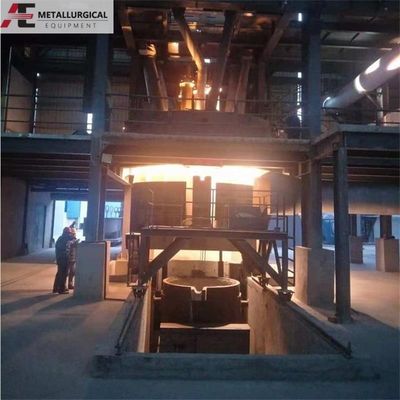
Ladle furnaces are vital metallurgical equipment used to refine molten steel produced in primary smelting furnaces. They can adjust the temperature of molten steel, buffer the process, and meet the requirements of continuous casting and continuous rolling. As one of the main types of equipment for external refining, ladle furnaces offer several key functions:
-
Temperature Increase and Heat Preservation: Molten steel is heated by an electric arc to obtain new heat energy, enabling alloy addition and composition adjustment during ladle refining. Slag can also be added to facilitate deep desulfurization and deoxidation of molten steel. Moreover, the opening temperature of molten steel required for continuous casting can be guaranteed, improving the quality of dry cast slabs.
-
Argon Stirring Function: Argon is blown into the molten steel through permeable bricks installed at the bottom of the ladle, providing a certain stirring effect.
-
Vacuum Degassing Function: After the ladle is hoisted into a vacuum tank, a steam jet pump is used for vacuum degassing, while argon is blown into the bottom of the ladle to stir the molten steel. This process removes hydrogen and nitrogen content from the molten steel and further reduces oxygen and sulfur content, resulting in high-purity, high-performance molten steel.
For the entire enterprise, the application of a ladle furnace can at least increase the following benefits: it speeds up the production rhythm and improves overall metallurgical production efficiency. Ladle furnaces are widely used in industries such as steel and metallurgy.
In conclusion, while both electric arc furnaces and ladle furnaces play essential roles in steelmaking, they differ significantly in their functions and technological advancements. EAFs are primarily used for primary smelting, offering flexibility and efficiency in metal production. In contrast, ladle furnaces focus on refining molten steel, enhancing its quality and meeting the stringent requirements of continuous casting and rolling processes. Together, these technologies contribute to the advancement and efficiency of the modern steelmaking industry.
We are a professional electric furnace manufacturer. For further inquiries, or if you require submerged arc furnaces, electric arc furnaces, ladle refining furnaces, or other melting equipment, please do not hesitate to contact us at susan@aeaxa.com


 Your message must be between 20-3,000 characters!