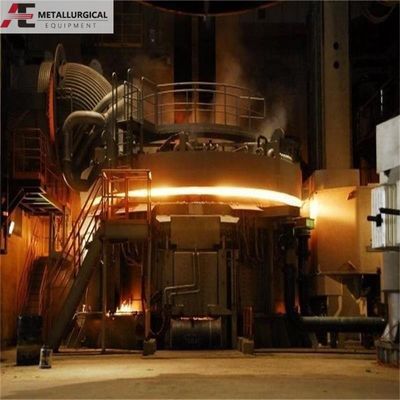
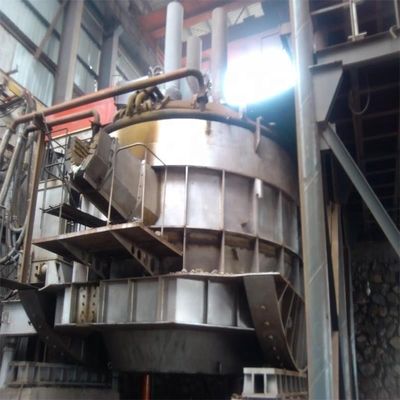
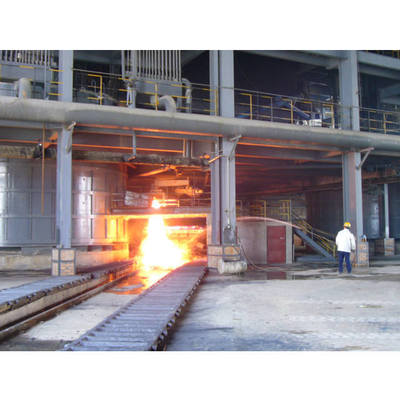
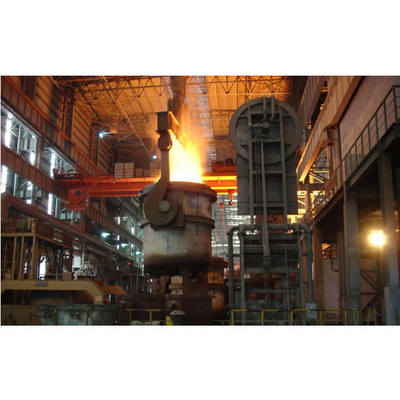
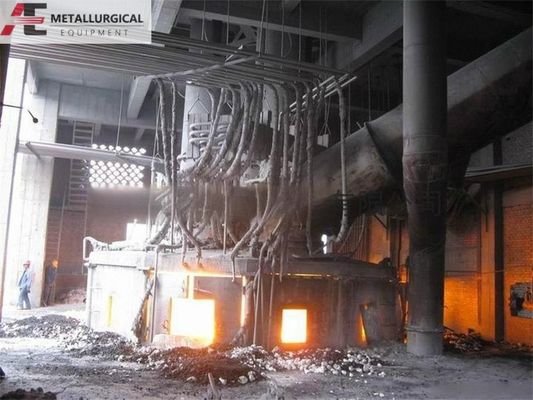
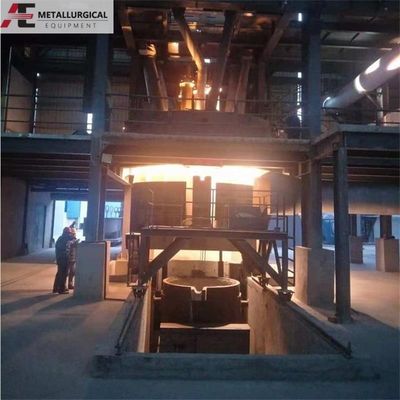
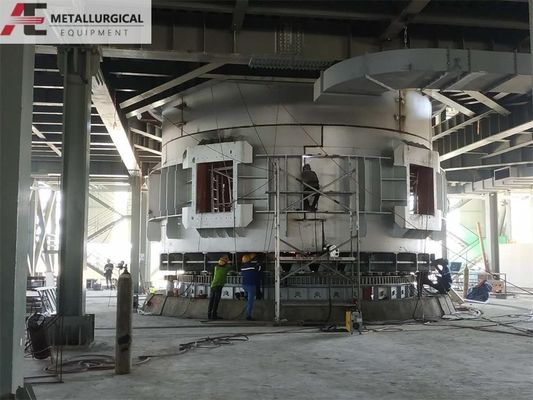
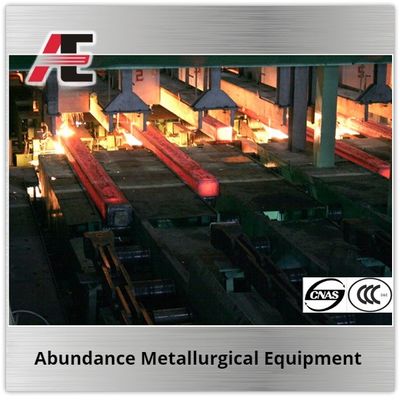
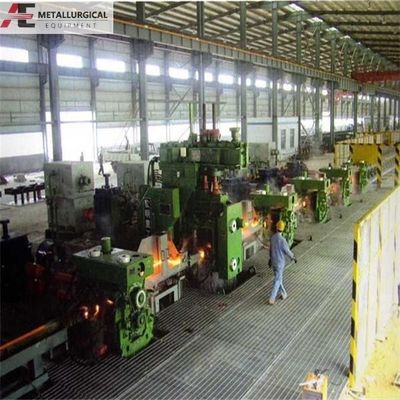
Electricity serves as the principal energy source in electric arc furnace (EAF) steelmaking, playing a pivotal role in the entire process.
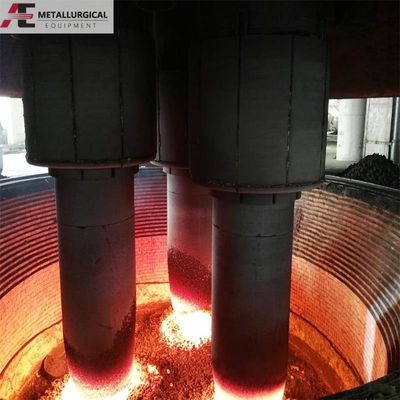
In EAF steelmaking, electrical energy is discharged and arcs through the graphite electrode and the charge, generating an intense high temperature ranging from 2000 to 6000 degrees Celsius or even higher. This heat is transferred to the scrap raw material through arc radiation, temperature convection, and heat conduction, effectively melting it. During most of the melting period, the high-temperature heat source is enveloped by the charge, minimizing heat loss caused by high-temperature exhaust gases. Consequently, the thermal efficiency of EAFs surpasses that of converter-based steelmaking equipment. Additionally, electric heating allows for precise control of furnace temperature, enabling the heating process to be conducted under various conditions, such as oxidizing or reducing atmospheres, normal pressure, or vacuum, according to process requirements. The equipment for EAF steelmaking is relatively simple, with a short and convenient operational process. Pollution control is straightforward, construction investment is minimal, and the area required is small. Unlike converter steelmaking systems, EAFs do not rely on complex ironmaking processes, making them highly advantageous.
EAF steelmaking exhibits strong adaptability to its charge. While scrap steel is the primary raw material, it can also utilize solid and liquid iron-containing materials, including molten iron (from blast furnaces or ironmaking furnaces), sponge iron (DRI), hot briquetting blocks (HBI), and pig iron blocks. Given the controllable atmosphere within the EAF, slag adjustment or replacement operations are easily performed. Complex process operations such as melting, decarburization, dephosphorization, degassing, inclusion removal, temperature control, and composition adjustment (alloying) can all be completed within the same operational system.
Another significant advantage of EAF steelmaking is its ability to operate intermittently, allowing for flexible changes in production varieties within a certain range. Modern electric arc furnaces are also designed to incorporate a substantial amount of auxiliary energy sources, such as injecting appropriate quantities of heavy (light) oil, pulverized coal, or natural gas.
Therefore, the process of EAF steelmaking is not only adaptable and operationally flexible but also widely applicable. EAFs are capable of smelting high-quality steel with low phosphorus, sulfur, and oxygen content. Moreover, they can alloy with various elements, including easily oxidizable ones like lead, boron, vanadium, titanium, rare earths, and others. This versatility enables the production of a diverse range of steels and alloy steels, such as stainless acid-resistant steel, bearing steel, electrical steel, tool steel, heat-resistant steel, magnetic materials, and special alloys.
In conclusion, electric arc furnace steelmaking, with electricity as its main energy source, offers a highly efficient, adaptable, and flexible method for producing a wide variety of high-quality steels and alloys, meeting the diverse needs of modern industries.
We are a professional electric furnace manufacturer. For further inquiries, or if you require submerged arc furnaces, electric arc furnaces, ladle refining furnaces, or other melting equipment, please do not hesitate to contact us at susan@aeaxa.com


 Your message must be between 20-3,000 characters!