Electric Arc Furnace Steelmaking: A Comprehensive Overview
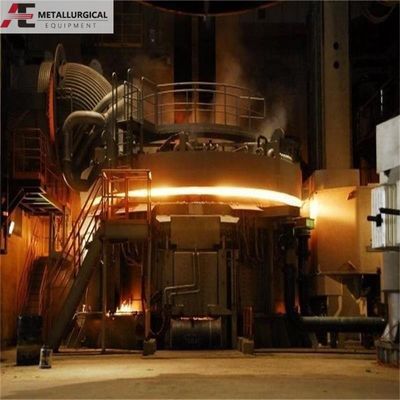
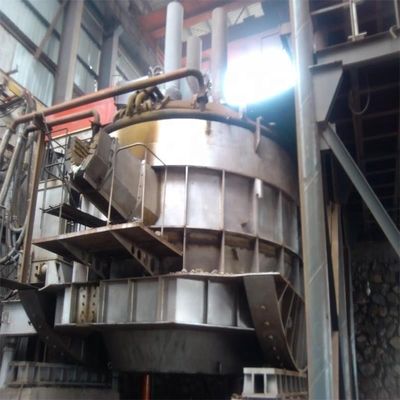
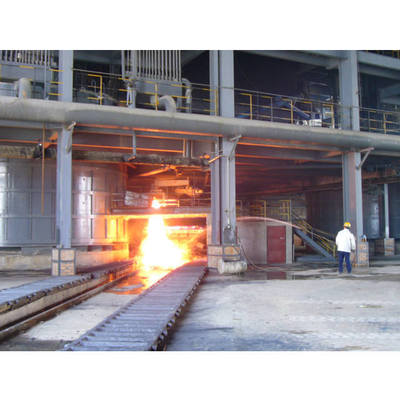
Electric arc furnace (EAF) steelmaking is a complex process that can be systematically divided into five key stages: raw material collection, pre-smelting preparation, the melting period, the oxidation period, and the reduction period. Each stage plays a crucial role in ensuring the quality, efficiency, and cost-effectiveness of steel production.
Raw Material Collection
Scrap steel serves as the primary material in EAF steelmaking, with its quality directly influencing the final steel product's quality, cost, and productivity. Several considerations must be taken into account when selecting scrap steel:
- Surface Cleanliness: Scrap should be clean and rust-free. Impurities and debris can reduce charge conductivity, prolong melting time, and hinder phosphorus removal and lining erosion control.
- Non-Ferrous Metals: Scrap must not contain non-ferrous metals like lead, tin, arsenic, zinc, and copper, which can cause hot brittleness and other issues.
- Safety Concerns: Scrap should not include sealed containers, flammable, explosive, or toxic materials to ensure safe production.
- Chemical Composition: Scrap should have a clear chemical composition with low sulfur and phosphorus content.
- Size Limitations: Scrap size should not be too large (cross-sectional area ≤ 150mm * 150mm, maximum length ≤ 350mm). Pig iron may be used to improve carbon content, typically not exceeding 30% of the charge.
Pre-Smelting Preparation
Batching is a critical step in EAF steelmaking, with reasonable proportioning essential for normal operation and shortened smelting times. Key considerations include:
- Accurate Calculation and Weighing: Correct calculation and precise weighing of ingredients are vital.
- Charge Size Matching: Charge size should match proportions for optimal fit and speed.
- Quality and Method Considerations: Ingredients should be selected based on steel quality requirements and smelting methods.
- Technical Compliance: Ingredients must adhere to technical specifications.
Key elements in the furnace charge include:
- Carbon Content: Sufficient carbon is needed for oxidation reactions to remove air and impurities. Carbon content should be slightly higher (0.3% - 0.4%) than the steel's lower limit but not too high to avoid prolonged oxidation and overheating.
- Silicon Content: Generally ≤ 0.8% to prevent delayed boiling of liquid steel.
- Manganese Content: Typically, manganese content is not a major concern, but it should be < 0.3% after removal to prevent delayed pool boiling.
- Phosphorus and Sulfur Content: Lower is better, with phosphorus content ideally < 0.05%.
Charge density is optimized by mixing large, medium, and small materials reasonably, with small materials accounting for 15% - 20%, medium materials for 40% - 50%, and large materials for the remaining 40%. Before feeding, 1.5% of the material weight should be laid at the furnace bottom to facilitate early phosphorus removal and reduce suction.
Melting Period
The melting period, from power-on to steel melting, accounts for about half of the smelting time and two-thirds of the total power consumption. Key tasks include ensuring furnace life, rapidly reaching melting temperature with minimal power consumption, and forming good slag for stable arcs and phosphorus removal.
- Arc Phase: With full charge, intermediate voltage and about two-thirds of the transformer's rated power are used to prevent furnace top damage.
- Drilling Stage: Maximum power is applied as heat is absorbed by the charge, not the lining, typically lasting about 20 minutes (1/4 of total melting time).
- Rising Stage: Electrodes reach the bottom, forming a molten pool. Radiant heat increases the liquid level, with maximum power still used for about half of the total melting time.
- Final Melting Stage: After 3/4 melting, charge no longer covers the arc. Prolonged maximum power can damage the furnace cover and wall, so power is adjusted accordingly.
Slag formation is crucial during melting, with 1% - 1.5% slag sufficient for coverage and arc stability, but more needed for dephosphorization.
Oxidation Period
Main Tasks
- Phosphorus Oxidation: Continue oxidizing phosphorus in molten steel to achieve desired levels (≤ 0.015% - 0.010%).
- Gas and Inclusion Removal: Reduce nitrogen and hydrogen content and total inclusions to specified levels.
- Uniform Heating: Heat molten steel uniformly to 10°C - 20°C above tapping temperature.
| Contact Person : |
Miss. Susan |
| Tel : |
+86-13991372145 |


 Your message must be between 20-3,000 characters!