Electric Arc Furnace: Raw Materials for Smelting
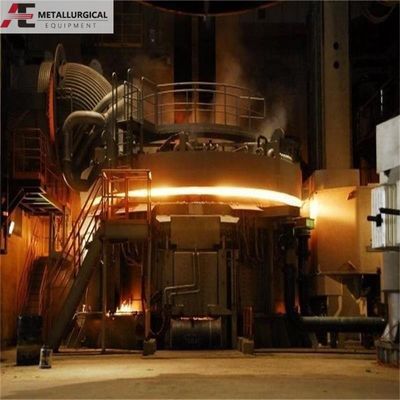
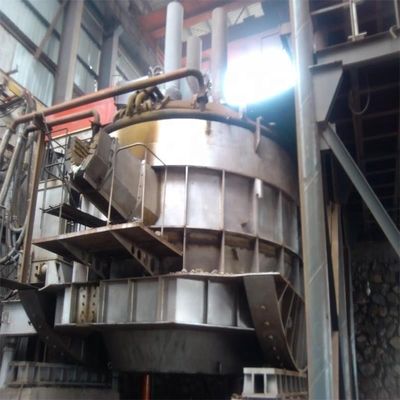
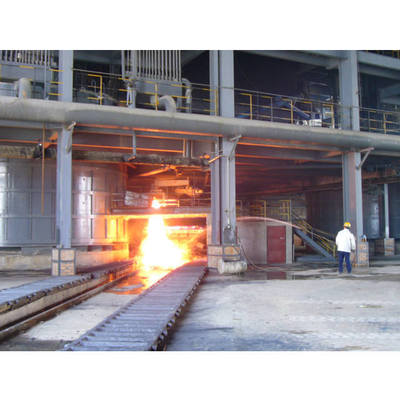
The primary raw material utilized in electric arc furnace (EAF) steelmaking is scrap steel. However, the current scarcity of scrap steel resources poses a significant obstacle to the further development of EAF steelmaking. To address this challenge, it is imperative to identify viable substitutes for the raw materials used in EAF steelmaking. The main alternatives include molten iron, decarburized granular iron, iron carbide, and composite metal materials. Today, let's delve into a detailed examination of molten iron as a substitute:
Advantages of Using Molten Iron in EAF Steelmaking
Incorporating molten iron into EAF steelmaking offers numerous benefits, as outlined below:
-
Optimized Power Supply for Non-Flat Molten Pool Furnaces: For furnace types that do not feature a flat molten pool, the use of molten iron enables the optimization of the power supply. It facilitates the early formation of the molten pool, increases the duration of high-power supply, and consequently shortens the overall smelting cycle.
-
Enhanced Thermal Efficiency: Molten iron contributes both physical and chemical heat to the smelting process, thereby improving the overall thermal efficiency. This increased heat input accelerates the melting and refining of the metal, leading to more efficient production.
-
Dilution of Harmful Impurities: Molten iron has the ability to dilute the concentration of harmful metal impurity elements present in the molten steel. This dilution effect helps in achieving a cleaner and higher-quality final product, meeting stringent industry standards.
Optimal Ratio of Molten Iron
It is crucial to note that the quantity of molten iron added is not simply "the more, the better." Instead, it is advisable to maintain a ratio of molten iron between 30% and 50%. Specifically, when the oxygen supply intensity is low, the optimal iron-to-charge (or iron-to-water, depending on context) ratio is approximately 30%. Conversely, when the oxygen supply intensity is high, this ratio can be increased to around 50%.
For instance, the Quantum electric arc furnace developed by Germany's Prime company stipulates that at least 50% of the charge should consist of scrap to achieve sufficient preheating benefits. However, the converter-based smelting method employed by all-metal hydroelectric furnaces has, to some extent, diminished the EAF's competitive edge in terms of sustainable development.
In conclusion, while scrap steel remains the cornerstone of EAF steelmaking, the strategic incorporation of molten iron and other substitutes presents a promising avenue for overcoming resource limitations and enhancing production efficiency. By carefully controlling the ratio of molten iron and optimizing the smelting process, EAF steelmaking can continue to evolve and thrive in an increasingly competitive industrial landscape.
We are a professional electric furnace manufacturer. For further inquiries, or if you require submerged arc furnaces, electric arc furnaces, ladle refining furnaces, or other melting equipment, please do not hesitate to contact us at susan@aeaxa.com


 Your message must be between 20-3,000 characters!