Electric Arc Furnace: Classification, Composition, and Application
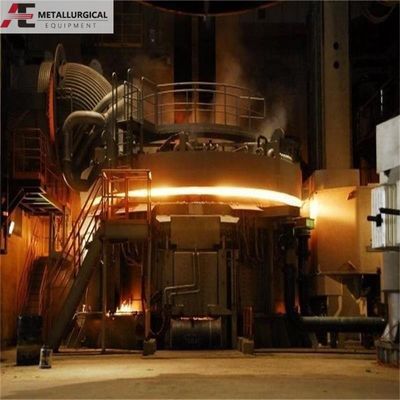
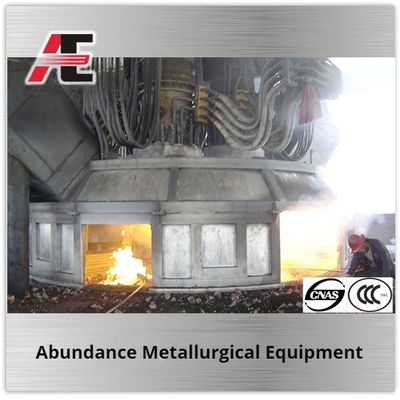
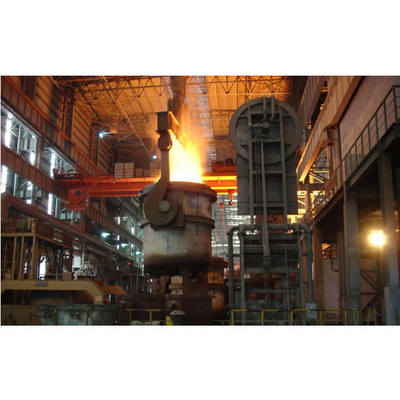
An Electric Arc Furnace (EAF) is a high-temperature metallurgical vessel that utilizes an electric arc, formed between an electrode and a charge material, to melt metals and ores. During arc discharge, energy is intensely concentrated, generating temperatures exceeding 3000°C in the arc zone. For metal smelting, EAFs offer superior process flexibility compared to other steelmaking methods, enabling effective removal of impurities like sulfur and phosphorus. They also provide precise temperature control, require a relatively small footprint, and are particularly well-suited for producing high-quality alloy and specialty steels.
Classification of Electric Arc Furnaces
EAFs are primarily categorized based on their heating mechanism:
1. Indirect Arc Furnace:
Principle: An arc is struck between two electrodes positioned above the charge. The material is heated indirectly via radiation from the arc.
Status: Characterized by high noise levels and lower thermal efficiency, this type has largely been phased out of mainstream metallurgical applications.
2. Direct Arc Furnace:
Principle: The arc is formed directly between the tip of the electrode(s) and the conductive charge material, providing highly efficient and direct heating. This is the most common design for modern steelmaking.
Sub-types: Includes both three-phase AC and DC arc furnaces, which are the workhorses of the scrap-based steel and alloy industry.
3. Submerged Arc Furnace (SAF):
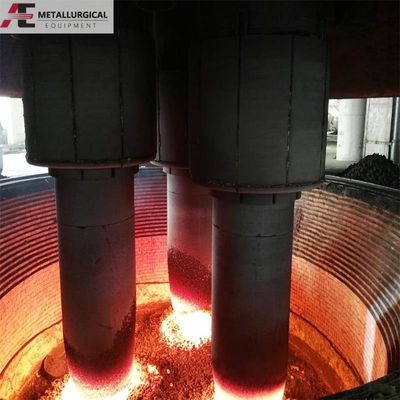
Principle: Also known as a reduction. The electrodes are partially buried within the charge burden (a mix of ore, reductant, and flux). Heating occurs through a combination of arc activity within the burden and the electrical resistance (Joule heating) of the material itself.
Application: Predominantly used for the production of ferroalloys (e.g., ferrosilicon, ferromanganese), calcium carbide, and for smelting non-ferrous materials like matte.
Key Components of an EAF System
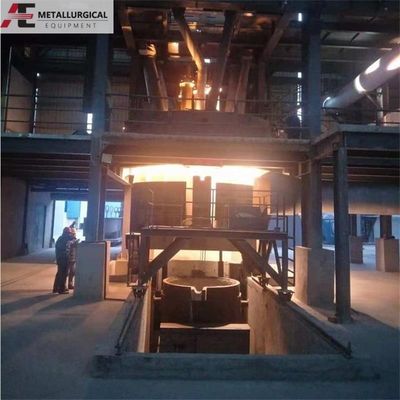
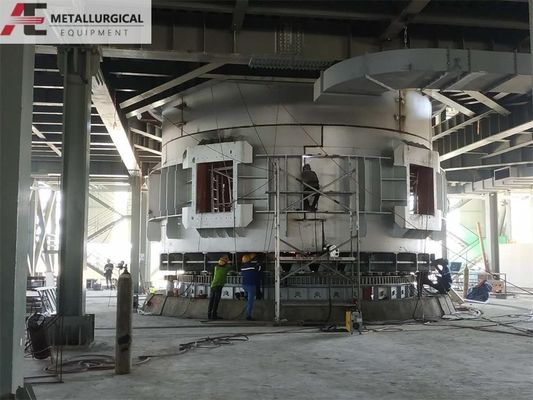
A modern direct arc furnace is a complex electromechanical system comprising several major subsystems:
1. Electrical Power System: Includes the furnace transformer (and rectifier for DC furnaces), high-voltage switchgear, and low-voltage control cabinets for regulating power input.
2. Electrode System: Consists of graphite electrodes, the electrode holder/arm, and the electrode regulation system which automatically controls electrode position to maintain stable arc length and power.
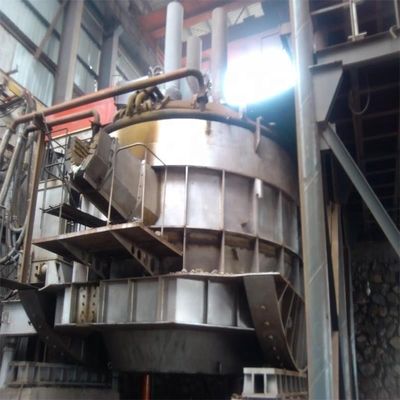
3. Mechanical Furnace Structure: Encompasses the water-cooled furnace shell, furnace roof (often water-cooled and swing-able for charging), and the tilting mechanism for tapping slag and steel.
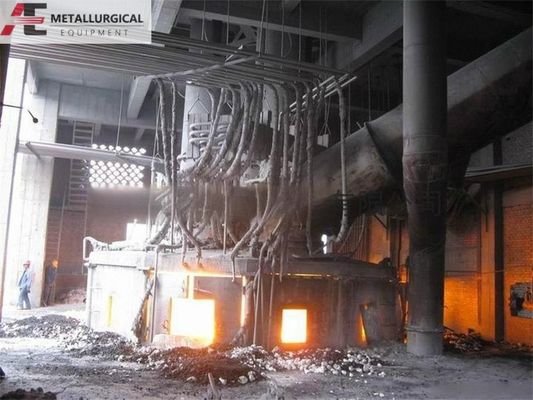
4. High-Current Conducting System (Short Circuit Network): The set of heavy-duty, water-cooled copper busbars and flexible cables that deliver very high current from the transformer to the electrode arms.
5. Cooling Water System: A critical closed-loop network supplying water to cool panels, roof, cables, electrode holders, and other components exposed to extreme heat.
Basic Working Principle
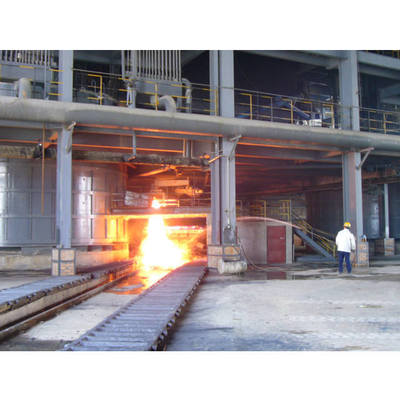
In a direct arc furnace for steelmaking, the intense heat generated by arcs between graphite electrodes and a scrap metal charge causes rapid melting. Once a molten pool is established, refining operations (temperature adjustment, chemistry control via slag and alloy additions) are conducted with the molten metal covered by a synthetic slag layer. EAFs are classified as either acidic or basic, determined by the chemical nature of the refractory lining and the slag used. Basic-lined furnaces, which utilize a lime-based slag, are capable of extensive desulfurization and dephosphorization.
Primary Applications
Electric Arc Furnaces are versatile tools in extractive and process metallurgy, key applications include:
1. Steel Production: The primary application, melting scrap steel to produce carbon, alloy, and stainless steels.
2. Ferroalloy Refining: Production and refining of various iron-based master alloys.
3. Specialty Material Smelting: Processing of materials such as high-titanium slag and synthetic welding flux slags.
4. Refractory Material Production: Melting of raw materials for producing high-temperature refractories like fused alumina, magnesia, and alumina-calcium cements.
5. Recycling of Metallurgical By-products: Recovering valuable metals from wastes like stainless steel grinding swarf and mill scale.
We are a professional electric furnace manufacturer. For further inquiries, or if you require submerged arc furnaces, electric arc furnaces, ladle refining furnaces, or other melting equipment, please do not hesitate to contact us at susan@aeaxa.com


 Your message must be between 20-3,000 characters!