Differences Between Electric Arc Furnace and Submerged Arc Furnace
Meta Description: As the metallurgical industry advances, the applications of electric arc furnaces and submerged arc furnaces have seen significant growth.
Abstract: This article primarily explores the distinctions between electric arc furnaces and submerged arc furnaces within the metallurgical industry, detailing their specific natures and characteristics.
Details:
I. Nature:
(1) Electric Arc Furnace:
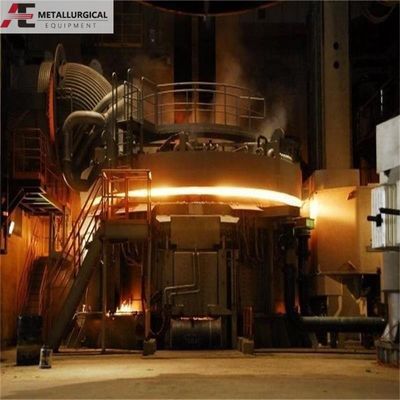
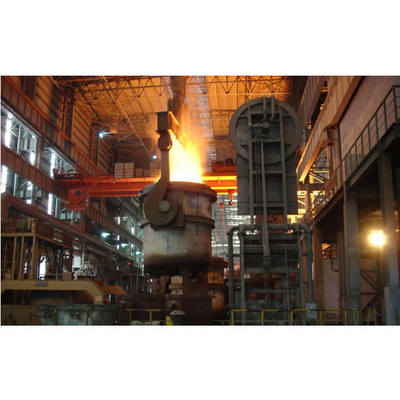
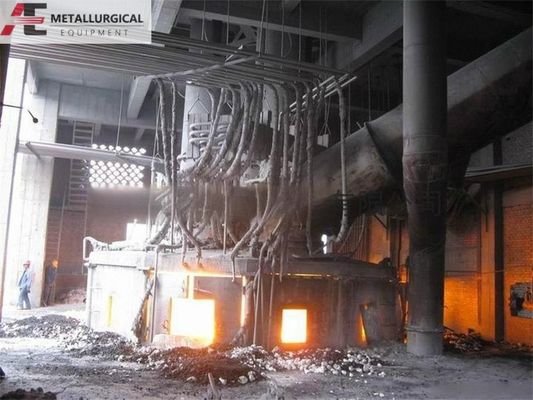
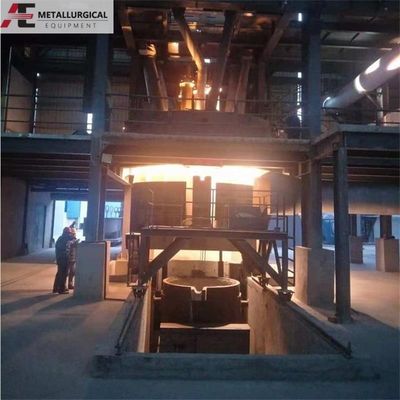
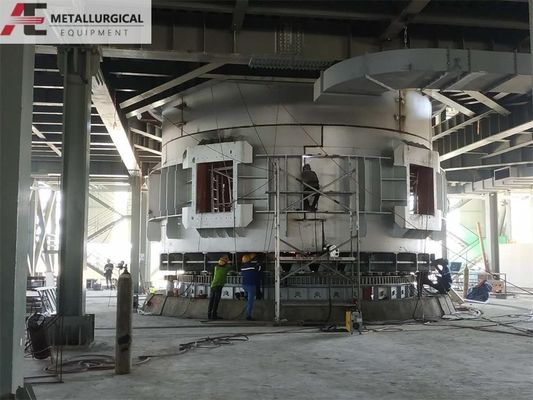
An electric arc furnace utilizes the high temperature generated by an electrode arc to melt ores and metals. Industrial furnaces that generate heat through metal or non-metallic electrodes are termed electric arc furnaces. These furnaces can be categorized based on arc form into three-phase arc furnaces, self-consumption arc furnaces, single-phase arc furnaces, and resistance arc furnaces, among others. The body of an electric arc steelmaking furnace consists of a furnace cover, door, steel groove, and main body, with the furnace bottom and walls constructed from either alkaline or acid refractory materials. Electric arc steelmaking furnaces are further classified into ordinary power, high power, and ultra-high power arc furnaces based on the transformer capacity per ton of furnace capacity.
(2) Submerged Arc Furnace:
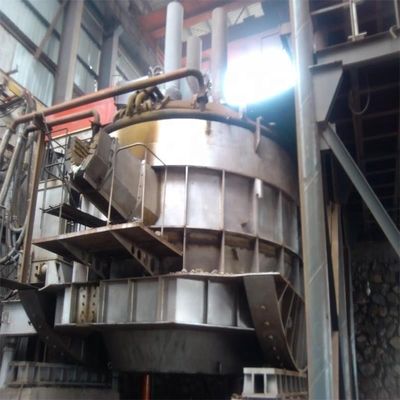
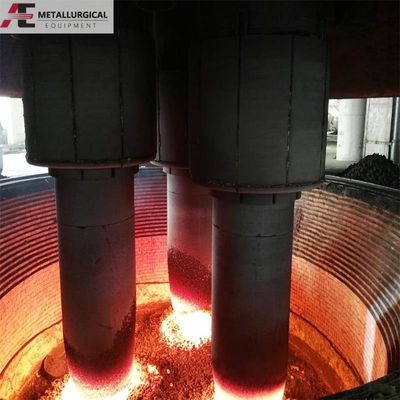
Also known as an electric arc furnace or resistance furnace, the submerged arc furnace is a high-power-consuming industrial electric furnace. It is primarily employed for the reduction smelting of ores, carbonaceous reductants, and solvent raw materials, producing ferroalloys such as ferrosilicon, ferromanganese, ferrochrome, ferrotungsten, and silicomanganese alloy, which are crucial industrial raw materials in the metallurgical industry, as well as chemical raw materials like calcium carbide.
II. Characteristics:
(1) Electric Arc Furnace:
The operation of an electric arc furnace is characterized by gas discharge forming an electric arc with highly concentrated energy, resulting in arc temperatures exceeding 3000℃. Compared to other steelmaking furnaces, electric arc furnaces offer greater process flexibility, effectively removing impurities such as sulfur and phosphorus. The furnace temperature is easily controllable, and the equipment occupies a relatively small area, making it suitable for melting high-quality alloy steel. Electric arc furnace steelmaking involves inputting electrical energy through graphite electrodes to generate an arc between the electrode tip and the charge, serving as the heat source for steelmaking. Using electric energy as the heat source allows for the adjustment of the furnace atmosphere, which is advantageous for melting steel containing oxidizable elements.
(2) Submerged Arc Furnace:
The operation of a submerged arc furnace is characterized by the use of carbon or magnesium refractory materials for the furnace lining and self-cultivated electrodes. The electrodes are inserted into the charge for submerged arc operation, utilizing arc energy and current passing through the charge. Due to the charge's resistance, energy is generated to melt the metal. This process involves continuous charging and intermittent tapping of iron slag, allowing for continuous operation of this type of industrial electric furnace.
This concludes the introduction to the nature and characteristics of electric arc furnaces and submerged arc furnaces. If you have any questions or requirements regarding furnaces, please feel free to contact us. Xi’an Hani Tech is committed to providing you with one-stop services and turnkey projects.
We are a professional electric furnace manufacturer. For further inquiries, or if you require submerged arc furnaces, electric arc furnaces, ladle refining furnaces, or other melting equipment, please do not hesitate to contact us at susan@aeaxa.com


 Your message must be between 20-3,000 characters!