Continuous Caster – What Does It Do?
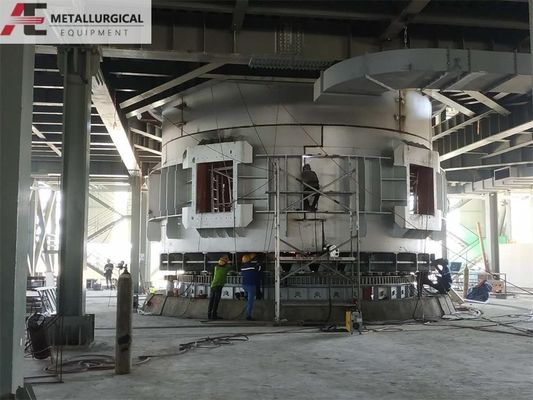
As a widely adopted piece of equipment in the metal smelting sector, the continuous caster is ingeniously designed to transform molten metal into solidified steel in a seamless and highly efficient manner. This cutting-edge technology has revolutionized the steel manufacturing landscape, supplanting the traditional ingot casting method, which was both time-consuming and less productive.
Continuous casting machines play a pivotal role in the steel industry, ensuring the production of premium-quality steel products that cater to the burgeoning demands of diverse sectors, including construction, automotive, and electrical appliances.
The Function of Continuous Caster
In essence, a continuous casting machine is a highly automated apparatus that directly converts molten steel from a steelmaking furnace into solidified steel, bypassing intermediate steps such as ingot casting.
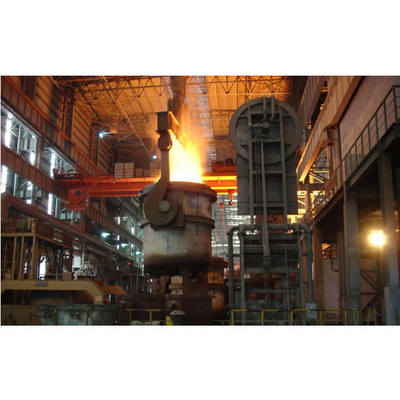
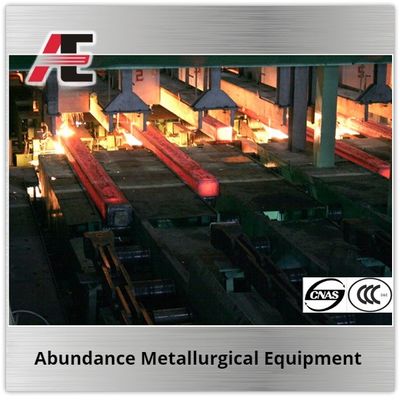
The process commences with the pouring of molten steel into a tundish, a storage vessel lined with refractory material to withstand high temperatures. From the tundish, the molten steel flows through a sequence of water-cooled copper molds. Here, it solidifies into thin slabs or billets, contingent upon the desired end product.
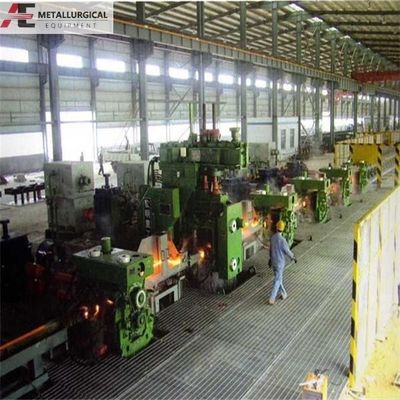
Operating on the principle of controlled solidification, continuous casters ensure the uniformity and superior quality of the final steel. By meticulously regulating various parameters, such as mold vibration, casting speed, and cooling water flow, these machines can precisely adjust the thickness, width, and length of the cast steel. This flexibility empowers steelmakers to produce customized steel grades and sizes tailored to meet specific customer requirements.
Advantages Over Traditional Casting Methods
Continuous casters offer a multitude of advantages over their traditional counterparts:
a) Elimination of Intermediate Reheating: By bypassing the intermediate reheating process, continuous casters significantly reduce energy consumption and overall production costs.
b) Enhanced Microstructure Uniformity: The continuous casting process ensures a more uniform microstructure of the steel, thereby enhancing its mechanical properties and overall product quality.
c) Increased Productivity: Continuous casters excel in rapid and continuous steel casting, leading to heightened efficiency and productivity levels.
In conclusion, as an integral component of the steel manufacturing process, continuous casting machines are capable of producing high-quality steel products continuously and efficiently, heralding a revolutionary transformation in the industry. Their benefits, encompassing reduced energy consumption, improved product quality, and increased productivity, render them an indispensable tool for steelmakers worldwide.
We are a professional electric furnace manufacturer. For further inquiries, or if you require submerged arc furnaces, electric arc furnaces, ladle refining furnaces, or other melting equipment, please do not hesitate to contact us at susan@aeaxa.com


 Your message must be between 20-3,000 characters!