Composition of the Electric Arc Furnace
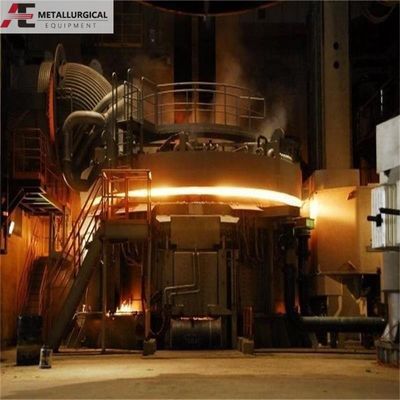
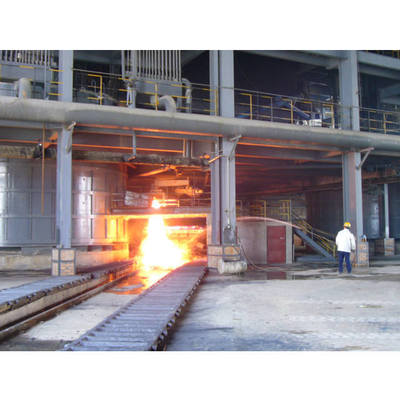
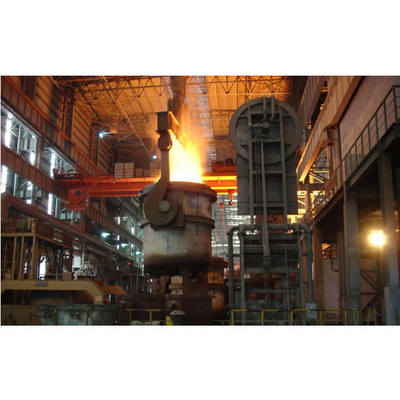
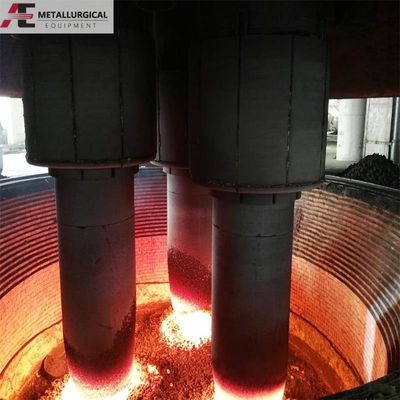
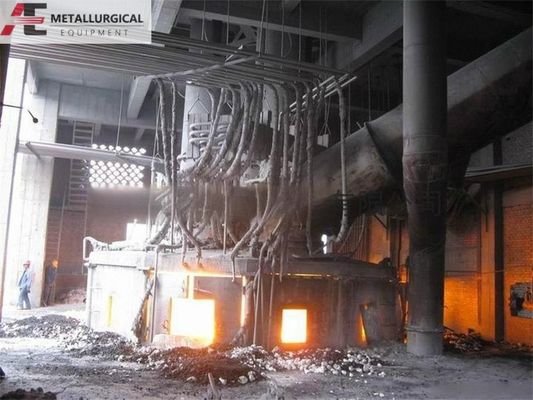
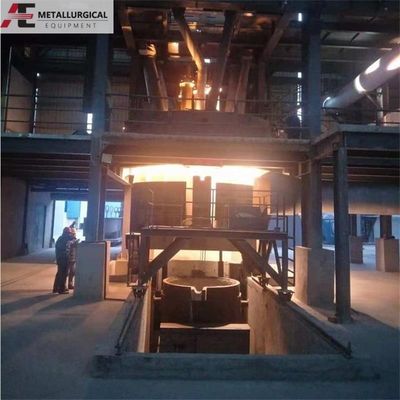
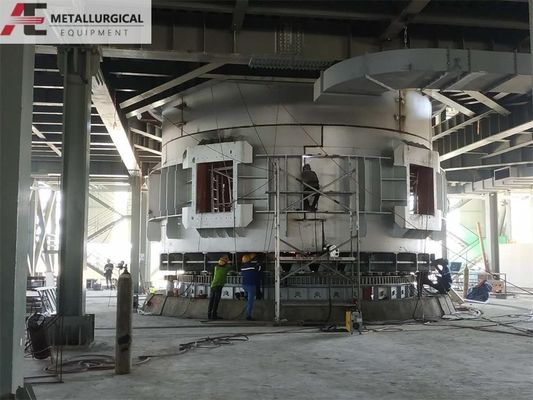
An electric arc furnace (EAF) is a vessel that utilizes the high-temperature heat energy generated by an electric arc between electrode tips and the charged material for steelmaking. Key technological developments in EAFs have included high-power operation, DC arc furnace designs, furnace bottom gas stirring, and bottom tapping systems.
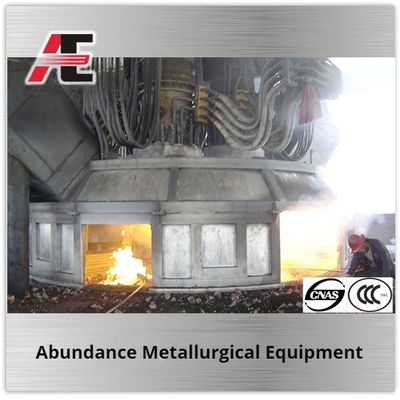
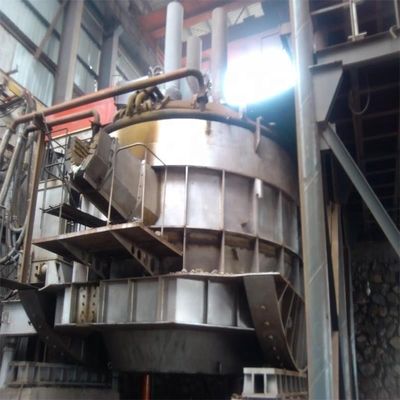
The basic structural components of a typical EAF are the furnace roof, furnace wall, furnace bottom, and tapping system.
1. Refractory Materials for the Electric Arc Furnace Roof
The furnace roof is traditionally constructed with high-alumina bricks, typically containing 75% to 85% alumina. Compared to silica bricks, high-alumina bricks offer higher refractoriness, superior thermal shock resistance, and greater compressive strength. Abundant domestic bauxite resources have established high-alumina bricks as the primary roof refractory, with a service life approximately two to three times that of silica brick roofs.
With the advent of large-scale, ultra-high-power (UHP) furnaces, the service life of high-alumina bricks has decreased, leading to the increased use of basic refractories such as fired or unfired magnesia bricks and magnesia-chrome bricks. An alternative approach involves using commercially cast monolithic refractory shapes or pre-cast sections for the roof. Compared to conventional brick construction, this method offers advantages including easier installation, better structural integrity, enhanced resistance to arc radiation, and improved thermal shock resistance.
2. Refractory Materials for the Furnace Wall
The furnace wall is divided into three main zones: the general sidewall, the slag line area, and the "hot spots" adjacent to the arcs.
General Sidewall: This area is primarily constructed using magnesia bricks, dolomite bricks, or periclase bricks. Unburned magnesia-based bricks and asphalt-bonded magnesia or dolomite ramming mixes are also used.
UHP/Special Steel Furnaces: For ultra-high-power furnaces or those melting special steels, magnesia-chrome bricks or high-quality magnesia bricks are often employed.
The slag line and hot spots represent the most vulnerable sections of the furnace wall. Since the overall wall life is often determined by the wear at the hot spots, the lining in these areas requires special attention. Historically, magnesia-chrome bricks were used, achieving 100 to 250 heats. Today, magnesia-carbon bricks are widely adopted due to their excellent high-temperature strength and slag resistance, significantly increasing service life to over 300 heats.
To balance wear and extend lining life, furnace walls are often equipped with water-cooled panels or jackets. The inner surface of these cooled areas is typically sprayed with a refractory coating to form a protective slag layer. While this effectively reduces refractory consumption, it results in a corresponding increase in energy consumption.
3. Refractory Materials for the Furnace Bottom
The furnace bottom and the sloped banks form the hearth, which holds the charge and molten steel. The bottom lining must possess uniform properties, tight construction, high-temperature stability, strength, and resistance to corrosion, erosion, and thermal shock to prevent spalling and metal penetration.
For rammed linings, high-quality magnesia or fused magnesia is selected. Construction requires careful attention to ensure consistent thickness and density across each layer, with proper bonding between them. The bottom structure typically consists of a rammed working layer atop a permanent lining. The working layer is often built with tar-bonded magnesia bricks, while the permanent lining commonly uses magnesia bricks.
The slag line on the upper bank slopes suffers severe slag attack. Therefore, linings similar to those used at the hot spots are applied here, such as fused-grain or direct-bonded magnesia-chrome bricks. Magnesia-carbon bricks are also an excellent choice for this area.
4. Refractory Materials for Tapholes
The prevalent eccentric bottom tapping (EBT) method has largely replaced tilting furnaces with fixed vessels, incorporating a taphole at an eccentric bottom location instead of a traditional spout. This design eliminates tilting mechanisms, increases usable area for water-cooled panels, reduces lining wear, allows for lower tapping temperatures, shortens tapping time, and ultimately lowers operating costs.
EBT taphole assemblies typically consist of:
Taphole Brick: Often made of pitch-impregnated, fired magnesia brick.
Tapping Tube/Sleeve: Usually constructed from resin-bonded magnesia-carbon brick with approximately 15% carbon content.
End Block/Nozzle: Frequently made from resin-bonded magnesia-carbon brick (10-15% carbon) or Al₂O₃–C–SiC brick.
To facilitate smooth tapping, a free-flowing filler sand, often based on olivine, is used as a taphole opening material.
We are a professional electric furnace manufacturer. For further inquiries, or if you require submerged arc furnaces, electric arc furnaces, ladle refining furnaces, or other melting equipment, please do not hesitate to contact us at susan@aeaxa.com


 Your message must be between 20-3,000 characters!