Composition and Working Environment of the Electric Arc Furnace Shell
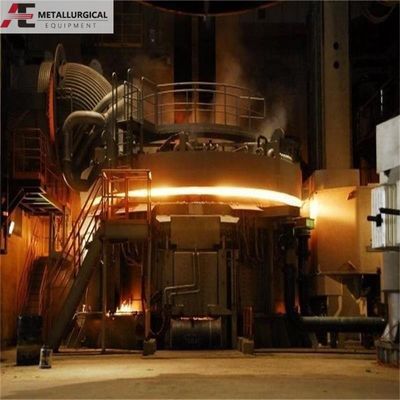
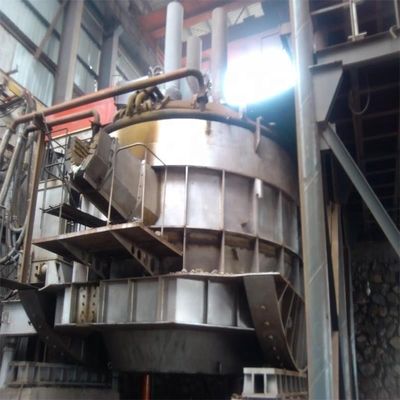
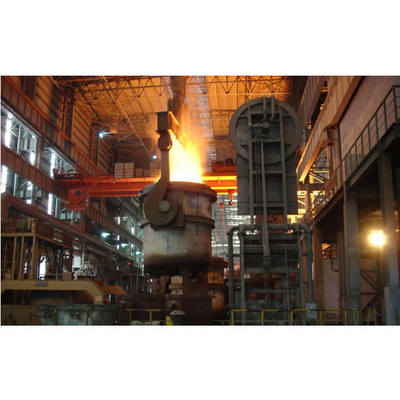
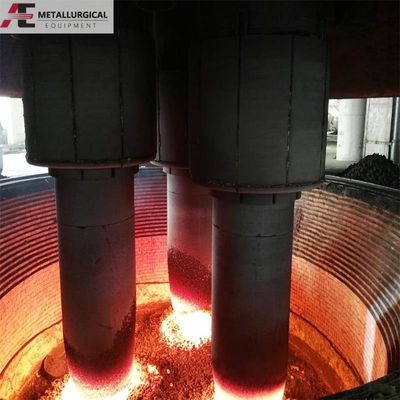
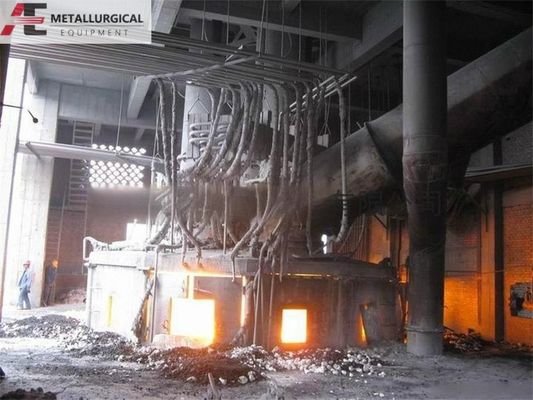
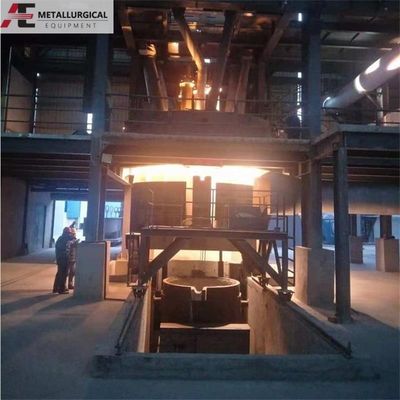
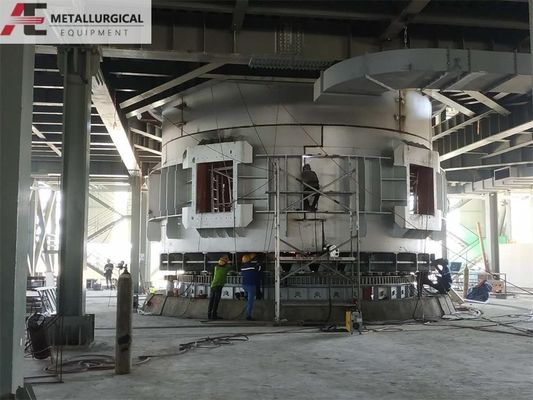
The electric arc furnace (EAF) roof typically features a cylindrical shape, transitioning to a frustum-conical section at its base, and culminating in a spherical disc-shaped bottom for enhanced structural integrity. The furnace shell plays a pivotal role in the EAF's operation, bearing the combined weight of the furnace lining and the molten metal within, while also enduring the thermal stresses induced by the lining's expansion due to heat.
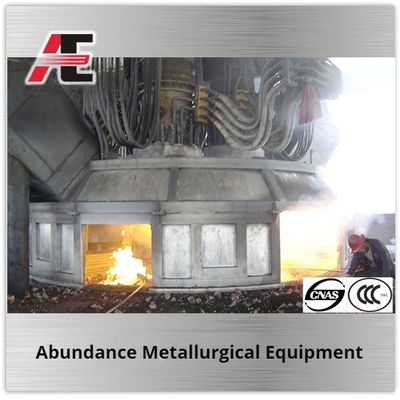
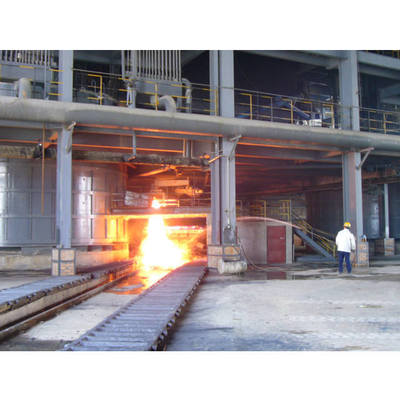
In most regions of the furnace shell, the temperature hovers around 200°C under normal operating conditions. However, localized burning of the furnace lining can cause the shell temperature to rise significantly. The shell is equipped with furnace doors and steel tapping holes, which are essential for the charging and tapping processes.
To ensure the furnace shell's reliability and longevity, it must possess adequate mechanical strength and rigidity. This is achieved through meticulous welding, incorporating both horizontal and vertical stiffener plates to reinforce the structure. Special attention is given to areas around openings, where additional reinforcement is necessary to prevent deformation or failure. Some large electric furnaces employ a cage-shaped furnace shell design for enhanced structural support. In these designs, while the lower portion of the shell and the furnace bottom are welded from steel plates, the upper half adopts a cage-like configuration, with inner furnace shell steel plates connected by vertical and horizontal steel members.
The horizontal support system within the furnace shell often utilizes steel pipes, which serve as the primary conduits for water supply and drainage in the water-cooling blocks. This setup helps manage the high temperatures generated during the smelting process. For furnaces with diameters ranging from 3 to 4 meters, the entire furnace shell and lining can be replaced as a single unit, significantly expediting the repair process and minimizing downtime. On older, larger furnaces, the upper and lower sections of the furnace shell are designed to be disassembled, with joints strategically placed to avoid the slag line—a region prone to intense wear and tear. This design allows for the upper furnace shell and wall to be hoisted away together, facilitating easier maintenance and repairs. Additionally, the shell is designed with moisture-removal holes, which are crucial during the oven-drying process to ensure the furnace is free from any residual moisture that could affect its performance or safety.
In summary, the electric arc furnace shell is a complex yet robust component, designed to withstand extreme temperatures and mechanical stresses while facilitating efficient smelting operations. Its composition and design features, such as the cylindrical roof, frustum-conical base, spherical disc-shaped bottom, and reinforced structure, are all tailored to ensure optimal performance and longevity in the demanding environment of an electric arc furnace.
We are a professional electric furnace manufacturer. For further inquiries, or if you require submerged arc furnaces, electric arc furnaces, ladle refining furnaces, or other melting equipment, please do not hesitate to contact us at susan@aeaxa.com


 Your message must be between 20-3,000 characters!