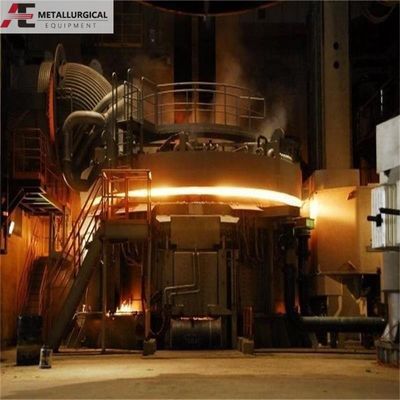
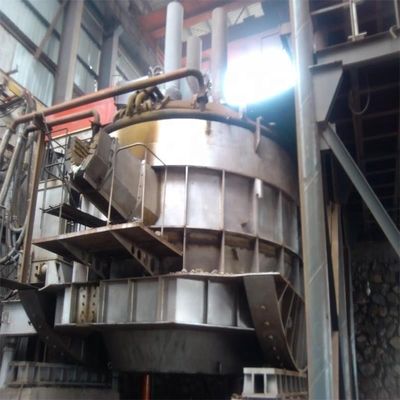
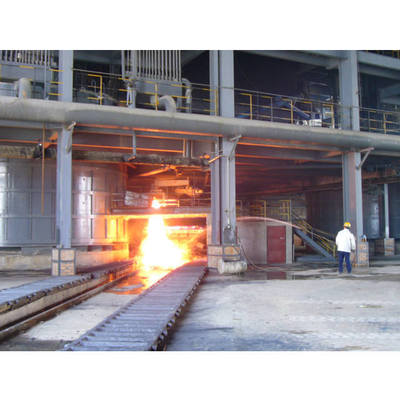
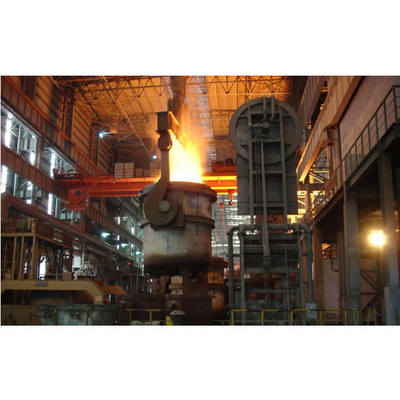
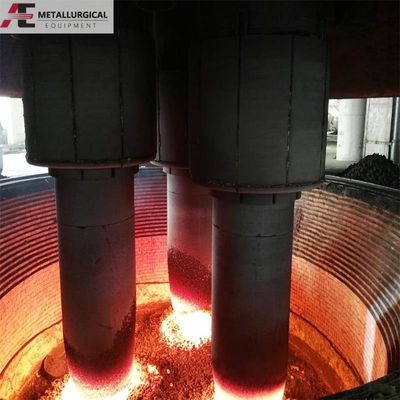
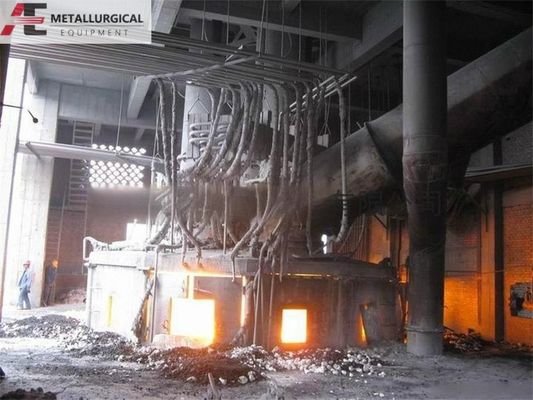
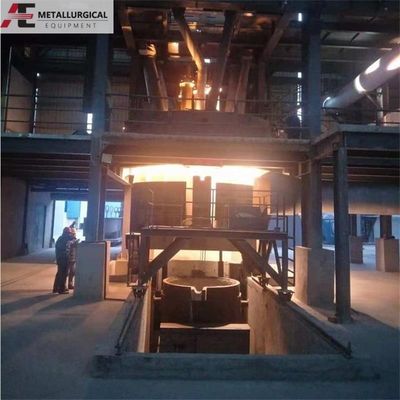
Comparison of Advantages and Disadvantages: Electric Arc Furnace vs. Converter Steelmaking
(1) Electric Arc Furnace (EAF)
Advantages:
- Recycling of alloy elements from scrap steel: As scrap steel is the primary raw material, valuable alloying elements contained in scrap can be recovered and reused during melting.
- High-temperature capability: The electric arc generates temperatures exceeding 3000°C, enabling the melting of refractory alloying elements.
- Precise temperature control: Furnace temperature can be accurately regulated over extended periods by adjusting the electrical current.
- Process flexibility: EAFs are well-suited for small-batch and multi-grade production of specialty steels.
Disadvantages:
- Steel quality influenced by scrap composition: Impurities present in scrap steel may affect molten steel quality.
- Longer tap-to-tap time: Modern EAFs typically require 55–60 minutes per heat, resulting in a longer smelting cycle compared to converters.
- Higher electrical energy consumption: Power consumption averages around 500 kWh per ton of steel, imposing greater demand on local power grids.
(2) Converter (Basic Oxygen Furnace)
Advantages:
- Higher steel purity: Using hot metal from blast furnaces as the main feedstock results in lower levels of residual impurities and tramp elements.
- Shorter smelting cycle: Tap-to-tap times are typically 20–30 minutes, allowing faster production rhythms.
- Lower electrical energy consumption: The process relies primarily on the physical and chemical heat generated by the oxidation of hot metal, requiring minimal external energy input.
Disadvantages:
- Lower furnace temperature: Operating temperatures generally remain below 2000°C, making the converter less suitable for melting highly refractory alloying elements.
- Limited process flexibility: Larger furnace capacities and the nature of the oxygen-blowing process reduce operational flexibility, especially for small-batch or specialty steel production.
Summary
Electric arc furnaces offer greater flexibility and alloy-recovery capabilities but have longer cycle times and higher energy costs. Converters enable faster, high-volume production of cleaner steel but are less adaptable and operate at lower temperatures. The choice between the two depends on raw material availability, product mix, energy economics, and production scale.
We are a professional electric furnace manufacturer. For further inquiries, or if you require submerged arc furnaces, electric arc furnaces, ladle refining furnaces, or other melting equipment, please do not hesitate to contact us at susan@aeaxa.com


 Your message must be between 20-3,000 characters!