Challenges of Electric Furnaces in Steelmaking
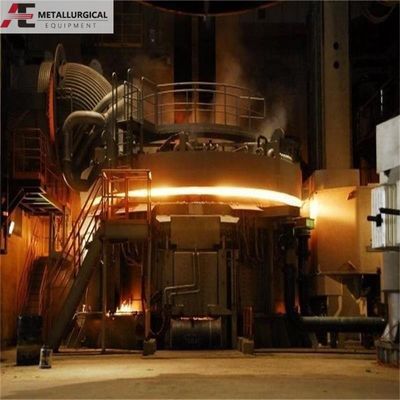
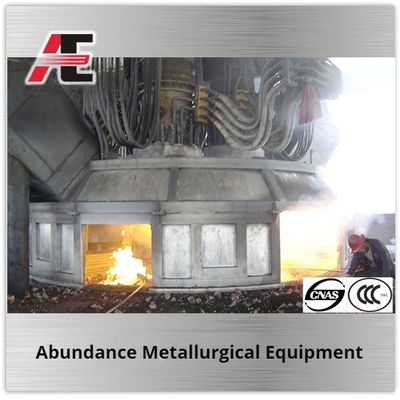
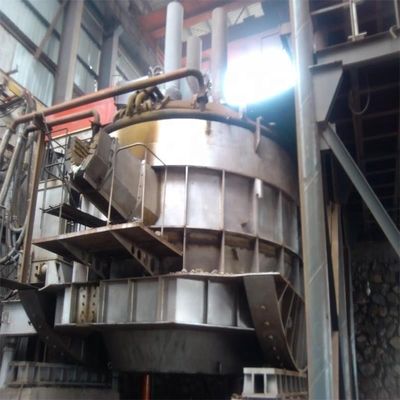
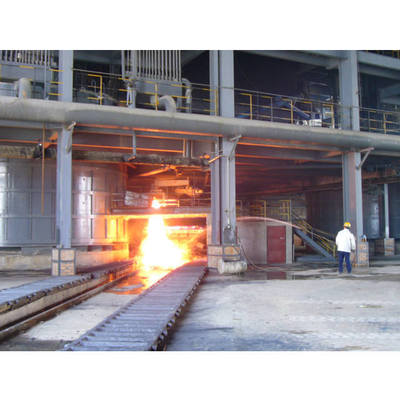
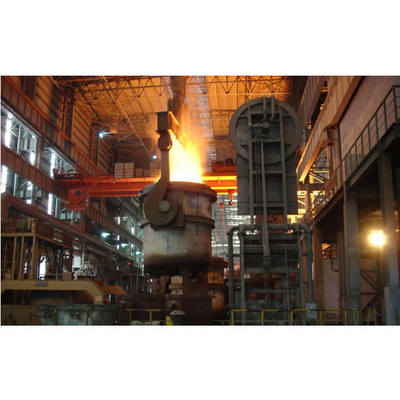
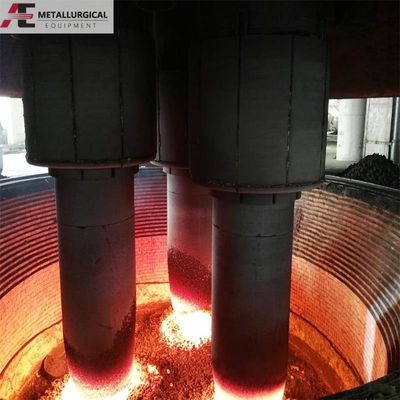
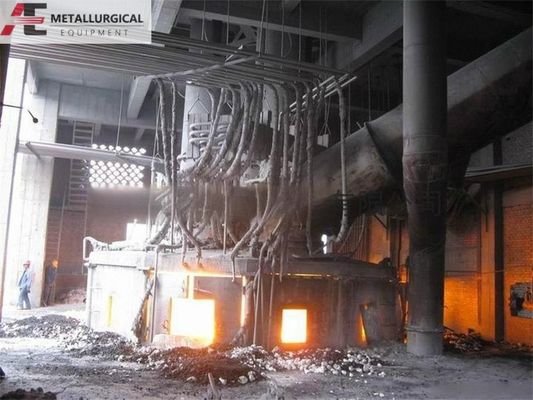
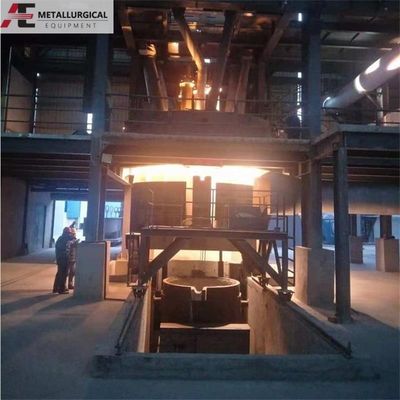
When evaluating the current application of high-temperature electric furnaces in the steelmaking industry, it becomes evident that they face significant issues related to flue gas behavior. The temperature and flow rate of the flue gas exhibit substantial periodic fluctuations, while the dust-laden nature of the electric furnace flue gas poses considerable challenges for the design and structure of subsequent waste heat recovery systems. Generally, two primary problems emerge in this context.
High-Temperature Electric Furnace Steelmaking Challenges
Flue Gas Impact During Oxygen Blowing and Smelting
During the oxygen blowing and smelting phase, the flue gas flow rate is at its peak, accompanied by the highest temperatures. This period subjects the heat exchange tube bundle of the waste heat boiler to intense thermal shock and abrasive erosion, reaching maximum levels. Consequently, the structure of the high-temperature electric furnace must be adapted to accommodate the thermal stresses induced by these flue gas fluctuations. Failure to do so can lead to premature wear and potential failure of critical components, compromising the overall efficiency and reliability of the waste heat recovery system.
Flue Gas Behavior During Tapping Period
Conversely, during the tapping period, the flue gas temperature drops significantly, and the flow rate diminishes to its lowest point. This reduction in flow rate results in a gradual decrease in the heating area of the boiler, affecting its ability to recover waste heat effectively. As the steelmaking cycle progresses and the next cycle commences, the exhaust gas temperature of the high-temperature electric furnace gradually rises again, impacting the performance of subsequent dust removal equipment. The inconsistent flue gas conditions can lead to operational inefficiencies and increased maintenance requirements for the dust removal system.
Moreover, the disparity between the smelting conditions within the electric furnace and their actual application introduces further complexities. The volume of flue gas, its dust content, and temperature often deviate significantly from the design parameters. This discrepancy necessitates comprehensive theoretical analysis and rigorous testing to verify and adjust the relevant parameters in subsequent designs. Continuous improvement efforts are essential to ensure that the waste heat recovery and dust removal systems can operate optimally under varying conditions, enhancing the overall sustainability and efficiency of the steelmaking process.
In conclusion, while high-temperature electric furnaces offer numerous advantages in steelmaking, addressing the challenges associated with flue gas behavior is crucial for maximizing their potential. By focusing on structural adaptations, parameter verification, and continuous improvement, the industry can overcome these obstacles and achieve more efficient and sustainable steelmaking operations.
We are a professional electric furnace manufacturer. For further inquiries, or if you require submerged arc furnaces, electric arc furnaces, ladle refining furnaces, or other melting equipment, please do not hesitate to contact us at susan@aeaxa.com


 Your message must be between 20-3,000 characters!