Analysis of Power Consumption in Scrap Steel Smelting
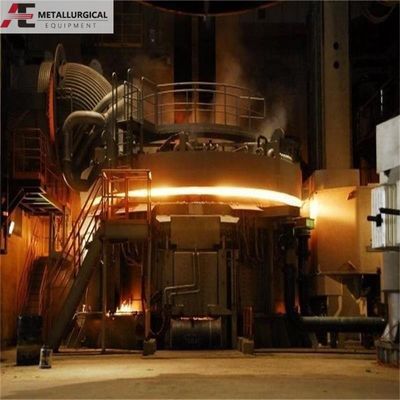
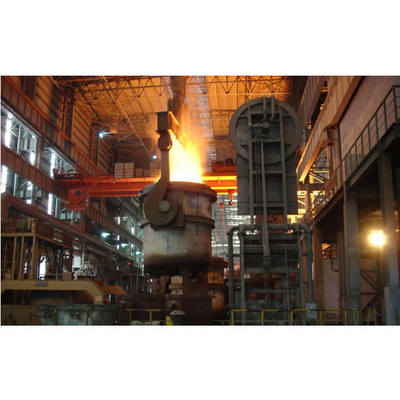
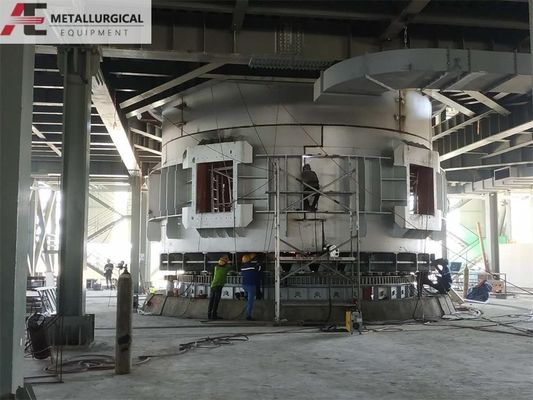
The electric arc furnace (EAF) uses the intense heat of an electric arc generated between electrodes to melt ores and metals. When an arc is established, energy is highly concentrated, with arc-zone temperatures exceeding 8,000 °C. Compared to other steelmaking furnaces, the EAF offers greater flexibility in operation, effectively removes impurities such as sulfur and phosphorus, allows precise temperature control, and occupies a relatively small footprint—making it well‑suited for producing high‑quality alloy steels.
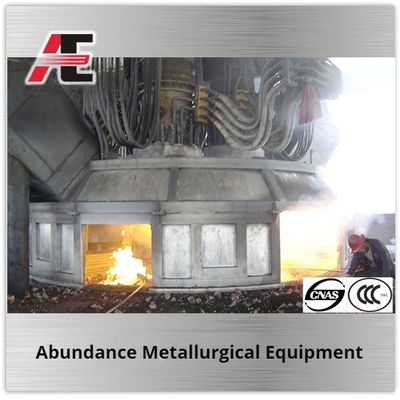
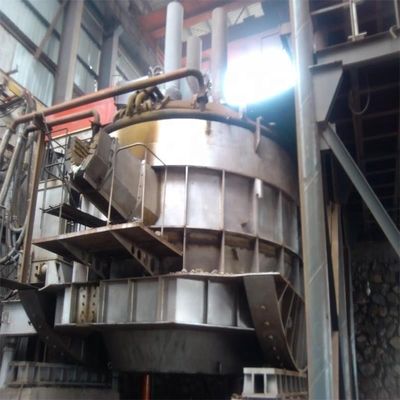
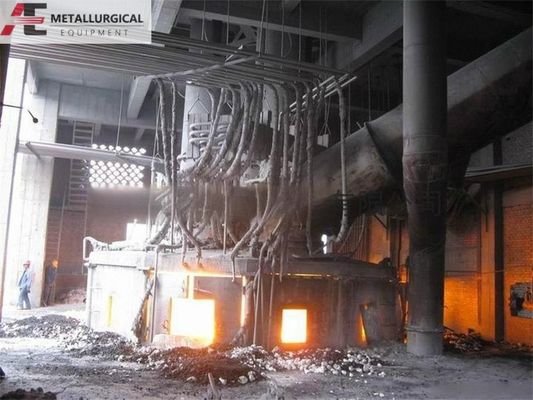
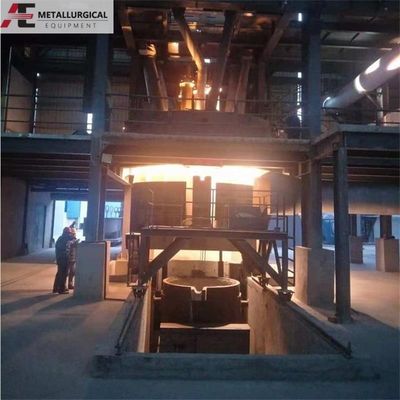
Based on arc configuration, electric arc furnaces can be classified into three‑phase arc furnaces, consumable‑electrode furnaces, single‑phase arc furnaces, and resistance‑type arc furnaces. Structurally, the EAF consists of a roof, charging door, tapping spout, and the main furnace body. The hearth and sidewalls are lined with either basic (alkaline) or acidic refractories.
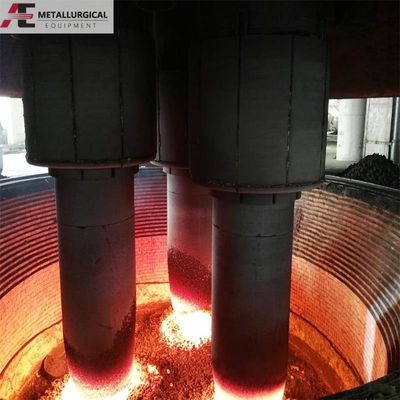
According to installed power per ton of capacity, EAFs are further categorized as ordinary‑power, high‑power, or ultra‑high‑power arc furnaces. In operation, electrical energy is supplied via graphite electrodes, and the arc formed between the electrode tips and the charge serves as the primary heat source. Because the EAF relies on electric heating and permits control of the furnace atmosphere, it is particularly advantageous for melting steel grades containing easily oxidized elements. Soon after its invention, the EAF was adopted for alloy steel production and has since undergone extensive development.
Traditionally, it was widely held that electric arc furnaces required higher initial investment but produced higher‑quality steel with precise composition control, whereas medium‑frequency furnaces involved lower capital cost but limited refining capability, resulting in lower‑grade products.
This perception has shifted in recent decades. Driven by global emphasis on energy conservation, emission reduction, and improved workplace safety and environmental conditions, medium‑frequency furnaces have increasingly replaced electric arc furnaces in certain applications, especially where high‑purity alloying is not the primary requirement. Nonetheless, EAFs remain essential for high‑quality and specialty steel production where composition control and impurity removal are critical.
We are a professional electric furnace manufacturer. For further inquiries, or if you require submerged arc furnaces, electric arc furnaces, ladle refining furnaces, or other melting equipment, please do not hesitate to contact us at susan@aeaxa.com


 Your message must be between 20-3,000 characters!