An Introduction to Electric Arc Furnaces (EAFs)
Do you know what refractory materials are used in electric arc furnaces (EAFs)? And have you ever wondered how refractory plants effectively manage dust prevention and removal? The editor from an electric arc furnace manufacturer is here to provide insights. Let's start by understanding what an electric arc furnace is.
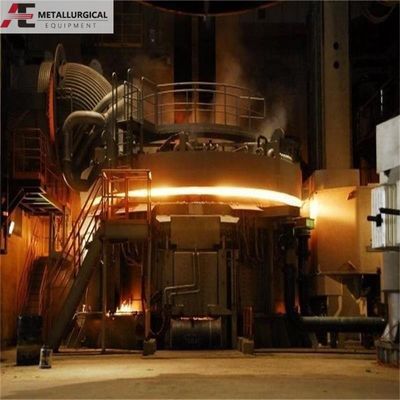
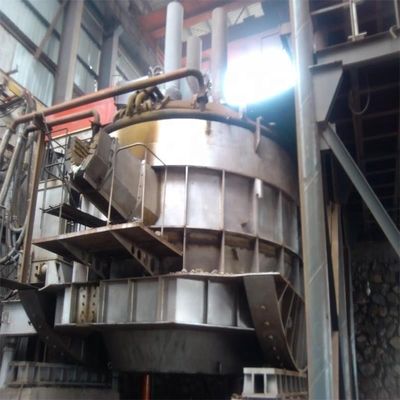
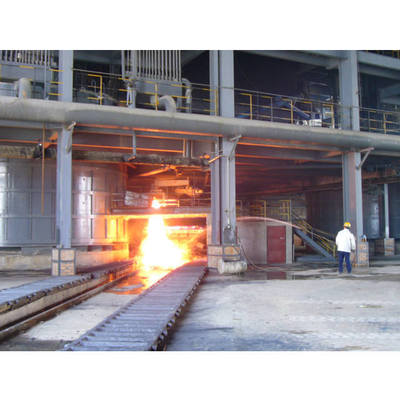
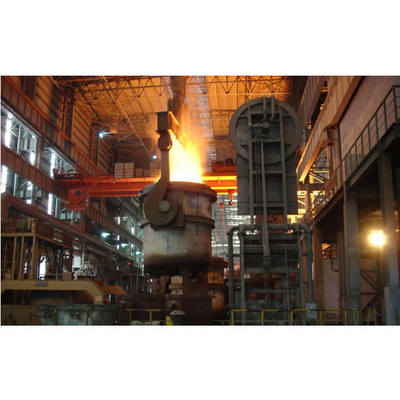
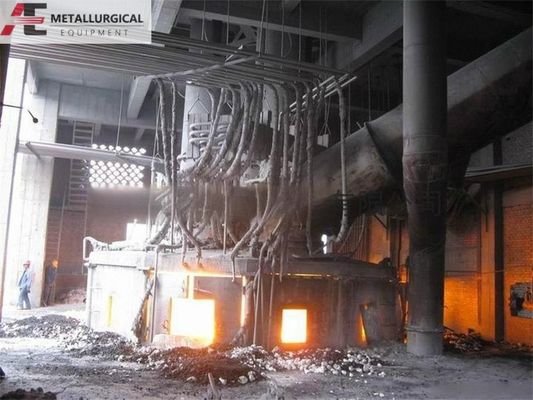
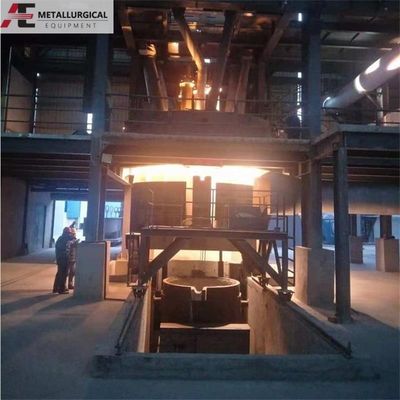
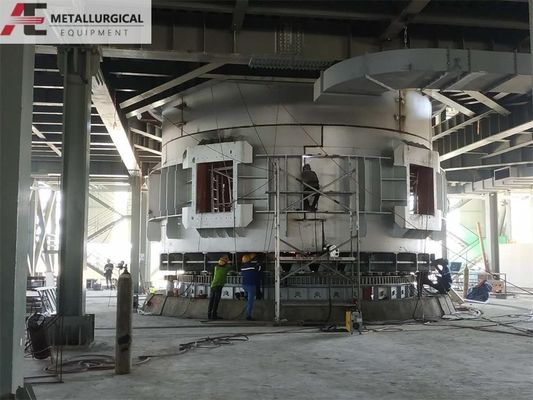
An electric arc furnace is an industrial furnace that generates heat through electric arcs produced by metal or non-metal electrodes. Common types of electric arc furnaces include three-phase electric arc furnaces, consumable electrode electric arc furnaces, single-phase electric arc furnaces, and resistance electric arc furnaces. The furnace body of an EAF consists of several key components: the furnace door, furnace cover, tapping trough, furnace bottom, and furnace walls.
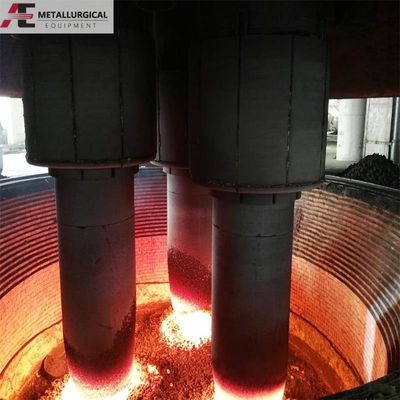
The bottom and walls of an EAF are typically alkaline in nature. Electric arc furnace steelmaking can be categorized into high-power, ordinary power, and ultra-high-power electric arc furnaces based on the transformer capacity per ton of furnace capacity. In EAF steelmaking, graphite electrodes are used to introduce electrical energy into the furnace, with the electric arc formed between the electrode tip and the charge serving as the primary heat source. Electric energy is utilized as the heat source, allowing for precise control of the furnace atmosphere, which is highly advantageous for smelting steels containing more oxidizable elements.
Shortly after its invention, electric arc furnace steelmaking was employed for smelting alloy steels and has since undergone significant development. In recent years, with the gradual improvement of EAF equipment and smelting technology, coupled with the rapid development of the power industry, the cost of EAF steelmaking has steadily decreased. Currently, EAFs are not only capable of producing alloy steels but also ordinary carbon steels, with their output continuously increasing in the total steel production of major industrial countries.
The development of EAF technology is closely linked to the advancement of refractory materials. The evolution of EAFs, including the development of direct current (DC) electric arc furnaces, furnace bottom gas stirring, and furnace bottom tapping based on high-power usage, has been inseparable from the development and application of new refractory materials. These technological achievements have not only reduced the consumption of refractory materials but also facilitated automatic control.
An EAF is composed of a furnace roof (also known as the furnace cover), furnace walls, furnace bottom, and tapping trough. The furnace roof is dome-shaped and movable, with an outer ring made of a water-jacketed steel structure. During smelting, the furnace roof is constantly exposed to high temperatures and is subject to sudden temperature changes, such as those caused by furnace gases and slag powder. It also faces chemical attacks, radiation from the electrode arc, and erosion from smoke and dust. The accumulation of dust on the top of the furnace generates pressure that hinders heat dissipation. Additionally, the furnace roof experiences mechanical impacts during lifting and lowering, making it the weakest link in the entire furnace lining. Therefore, the lifespan of an electric furnace often refers to the lifespan of its furnace roof.
In DC arc furnaces, due to their single-electrode structure, there are no hot spot areas, and the water-cooling area of the furnace top is enlarged, significantly improving the conditions for refractory material usage. After entering the 1980s, with the expansion of EAF capacity and rapid improvements in unit power, the working conditions of the furnace roof became more demanding, leading to significant changes in the refractory materials used.
In summary, electric arc furnaces are sophisticated industrial devices that rely on advanced refractory materials to ensure efficient and reliable operation. Understanding the composition and working conditions of EAFs, as well as the development of refractory materials, is crucial for optimizing their performance and extending their service life.
We are a professional electric furnace manufacturer. For further inquiries, or if you require submerged arc furnaces, electric arc furnaces, ladle refining furnaces, or other melting equipment, please do not hesitate to contact us at susan@aeaxa.com


 Your message must be between 20-3,000 characters!