December 1, 2025
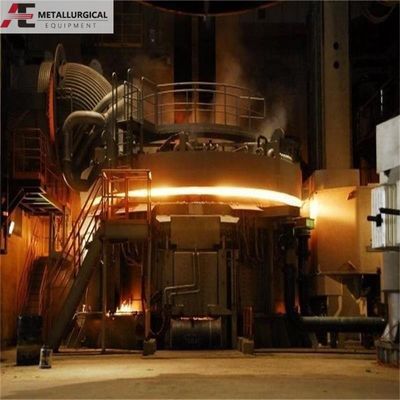
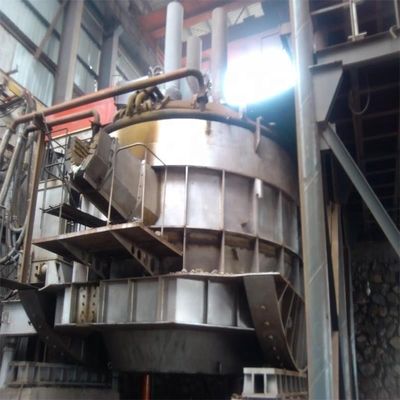
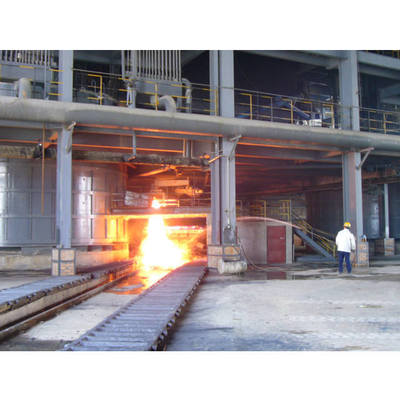
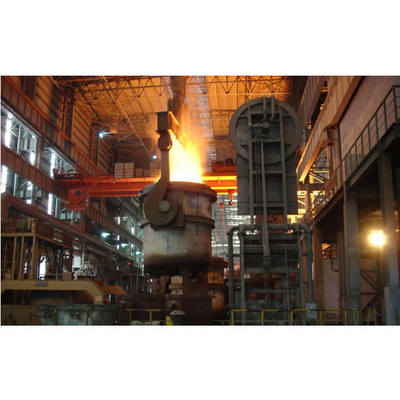
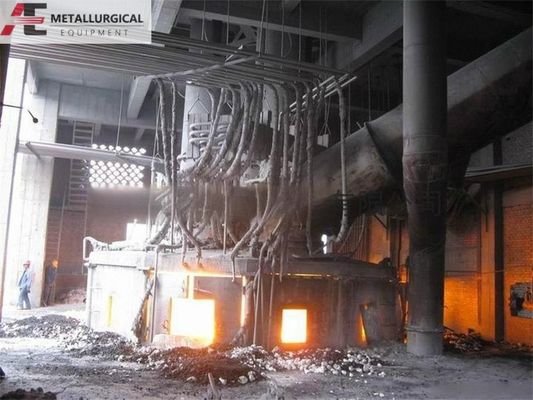
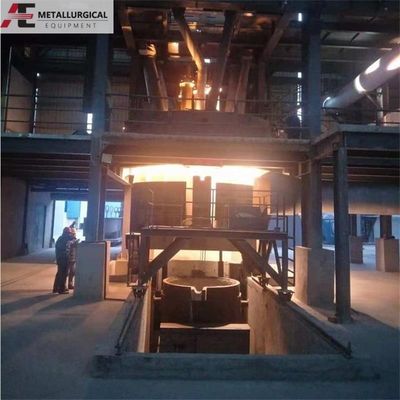
Metallurgy ladles, particularly those used in electric arc furnace (EAF) steelmaking, possess distinct advantages and disadvantages that significantly impact the steelmaking process.
Recycling of Alloying Elements: One of the primary advantages of using pouring ladles in EAF steelmaking is the ability to recycle waste alloying elements. As EAFs primarily utilize scrap steel as their main raw material, the alloy elements present in the scrap can be effectively reused during the steelmaking process. This not only reduces the need for additional alloying materials but also promotes resource efficiency.
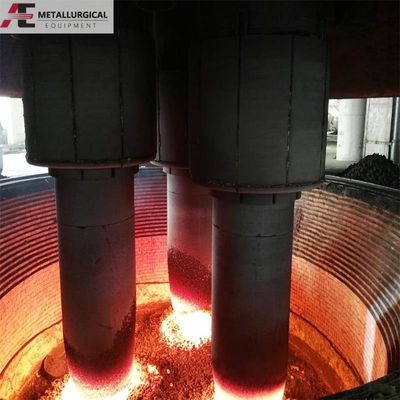
Melting of Refractory Alloying Elements: The high-temperature arcs generated between the graphite electrode and the iron material in an EAF can reach temperatures above 3000°C. This intense heat enables the melting of refractory alloying elements that would otherwise be difficult to process. Consequently, EAFs are capable of producing steels with a wide range of compositions, including those containing high-melting-point elements.
Precise Temperature Control: By accurately adjusting the current flowing through the graphite electrodes, the temperature within the EAF can be precisely controlled. This allows for long-term, accurate temperature management of the molten steel, ensuring optimal conditions for various steelmaking reactions and processes. Such precise temperature control is crucial for producing high-quality steels with consistent properties.
Process Flexibility: The EAF process offers significant flexibility, enabling it to meet the demands of smelting small batches of many varieties of special steels. This adaptability makes EAFs well-suited for producing customized steel products tailored to specific customer requirements or market niches.
Quality Impact from Scrap Steel: The use of scrap steel as the primary raw material in EAFs can introduce impurities into the molten steel, potentially affecting its quality. The composition and condition of the scrap steel can vary significantly, leading to inconsistencies in the final product. Ensuring high-quality molten steel requires stringent scrap selection and pre-treatment processes, which can add to the overall cost and complexity of EAF steelmaking.
Long Smelting Cycle: Compared to other steelmaking processes, such as converter steelmaking, EAFs typically have longer smelting cycles. The current widespread use of fourth-generation electric furnaces results in an average tapping time of 55-60 minutes, with tap-to-tap times longer than those in converter steelmaking. This extended cycle time can limit production efficiency and increase operational costs.
High Power Consumption: EAF steelmaking is energy-intensive, with power consumption reaching around 500 KWH per ton of steel produced. This high energy demand places significant pressure on local power grids, especially in regions with limited electrical capacity. The cost of electricity can also constitute a substantial portion of the overall production cost, impacting the economic viability of EAF steelmaking in certain areas.
In conclusion, while pouring ladles in EAF steelmaking offer several advantages, including the recycling of alloying elements, melting of refractory elements, precise temperature control, and process flexibility, they also face challenges related to scrap steel quality, long smelting cycles, and high power consumption. Addressing these disadvantages through technological advancements and process optimizations is crucial for enhancing the efficiency and sustainability of EAF steelmaking.
We are a professional electric furnace manufacturer. For further inquiries, or if you require submerged arc furnaces, electric arc furnaces, ladle refining furnaces, or other melting equipment, please do not hesitate to contact us at susan@aeaxa.com