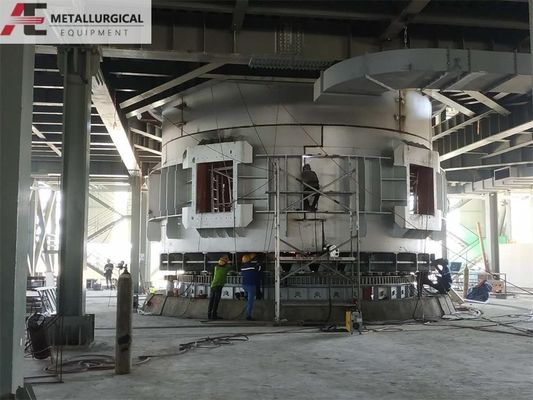
AC Electric Arc Furnace Power - saving Operation Technology: A Path to Sustainable Steelmaking
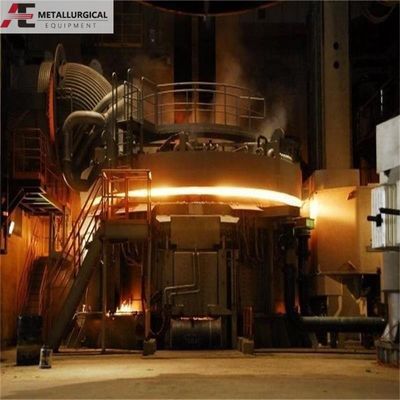
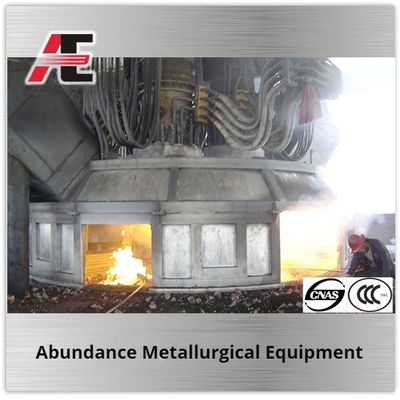
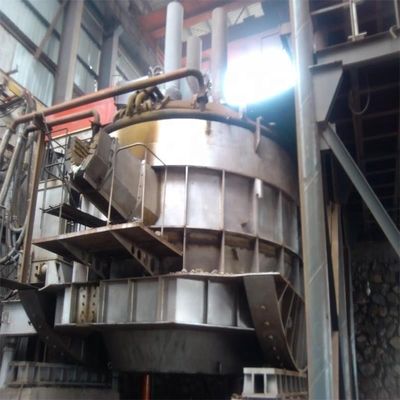
The AC Electric Arc Furnace (EAF) stands as a cornerstone in the steel production landscape, renowned for its remarkable efficiency and unparalleled flexibility. It has revolutionized the way steel is manufactured, enabling rapid production cycles and the ability to process a wide variety of raw materials. However, this technological marvel comes with a significant drawback: its operation is a voracious consumer of energy. This high energy consumption not only drives up operating costs but also leaves a substantial environmental footprint, making power - saving operation technology an imperative for the long - term sustainability of the steel industry.
Power Supply System Optimization: The Foundation of Energy Efficiency
The electrical power supply system is a major determinant of the energy consumption in EAFs. To slash energy usage, optimizing this system is of paramount importance. One effective strategy is to enhance the power factor. A low power factor implies that a large portion of the electrical power is being wasted as reactive power, rather than being effectively utilized for the smelting process. Installing capacitor banks can rectify this issue. These banks act as reservoirs of reactive power, compensating for the reactive power drawn by the EAF and thus improving the overall power factor.
Improving transformer efficiency is another crucial step. Transformers play a vital role in stepping up or stepping down the voltage as required by the EAF. Over time, transformers can experience losses due to factors such as core losses and copper losses. By using high - efficiency transformers with advanced designs and materials, these losses can be minimized, resulting in more efficient power transfer to the furnace.
Advanced control systems are also instrumental in regulating the power supply. These systems can continuously monitor the electrical parameters of the EAF, such as voltage, current, and power factor, and make real - time adjustments to ensure optimal power delivery. By precisely controlling the power input, energy wastage can be significantly reduced.
Furnace Process Parameter Optimization: Balancing Quality and Energy
The furnace process parameters, including temperature, pressure, and flow rate of the furnace atmosphere, have a profound impact on the energy consumption of the EAF. Each parameter plays a unique role in the smelting process, and optimizing them can lead to substantial energy savings without sacrificing the quality of the produced steel.
Temperature control is critical. Excessive heating not only consumes more energy but can also lead to over - oxidation of the steel, affecting its quality. On the other hand, insufficient heating may result in incomplete melting or poor chemical homogeneity. Advanced process control systems can accurately measure the temperature within the furnace and adjust the power input and other parameters accordingly to maintain the optimal temperature profile.
The pressure and flow rate of the furnace atmosphere also influence energy consumption. Proper pressure control ensures efficient combustion of the fuel and proper mixing of the reactants. Similarly, optimizing the flow rate of gases such as oxygen and argon can enhance the smelting process and reduce energy requirements. Real - time monitoring and adjustment of these parameters using sophisticated sensors and control algorithms are essential for achieving energy - efficient operation.
Minimizing Heat Losses: Insulating for Energy Conservation
Heat losses from the EAF are a significant source of energy wastage. The furnace walls and roof are constantly exposed to high temperatures, and if not properly insulated, a large amount of heat can escape into the surrounding environment. Improving the insulation of these components is a straightforward yet effective way to reduce heat losses. High - quality insulation materials with low thermal conductivity can be used to create a thermal barrier, preventing heat from escaping.
In addition to insulation, the choice of refractory materials is crucial. Refractory materials line the interior of the furnace and are exposed to extreme temperatures and chemical reactions. Using efficient refractory materials that have low thermal conductivity can minimize heat transfer through the furnace walls, further reducing heat losses. Moreover, regular maintenance of the refractory lining is necessary to ensure its integrity and prevent heat leakage due to cracks or damage.
Proper combustion conditions are also essential for minimizing heat losses. Incomplete combustion can lead to the generation of excess heat, which is not only wasteful but can also damage the furnace components. By maintaining the right fuel - to - air ratio and ensuring proper mixing of the reactants, efficient combustion can be achieved, reducing fuel consumption and heat losses.
Alternative Fuels: A Greener Path to Energy Efficiency
The use of alternative fuels such as natural gas or hydrogen offers a promising avenue for power - saving operation in EAFs. Compared to traditional fuels like coal or oil, these alternative fuels have several advantages. They have lower carbon emissions, which is crucial for reducing the environmental impact of steel production and meeting increasingly stringent emission regulations.
In terms of energy efficiency, natural gas and hydrogen also outperform traditional fuels. Natural gas has a high calorific value and burns more cleanly, resulting in less heat loss due to incomplete combustion. Hydrogen, on the other hand, has the potential to be a zero - carbon fuel when produced from renewable sources. By switching to these alternative fuels, steel producers can not only reduce their energy consumption but also contribute to a more sustainable future.
Equipment Maintenance and Monitoring: Ensuring Peak Performance
Regular maintenance and monitoring of the EAF equipment are the final pieces of the puzzle in achieving power - saving operation. Over time, furnace components such as electrodes, linings, and mechanical parts can wear out or become dirty, affecting the efficiency of the furnace. Regular cleaning of these components can remove deposits and contaminants that can impede heat transfer and increase energy consumption.
Replacement of worn - out parts is also essential. Worn electrodes, for example, can lead to increased electrical resistance, resulting in higher power consumption. By replacing them in a timely manner, the electrical efficiency of the furnace can be maintained.
Advanced diagnostic tools play a crucial role in monitoring equipment performance. These tools can detect early signs of equipment failure or inefficiency, allowing for proactive maintenance. By identifying and addressing issues before they become major problems, steel producers can avoid costly downtime and ensure that the EAF operates at its optimal efficiency, minimizing energy consumption.
In conclusion, power - saving operation technology is the key to the sustainable development of the steel industry. By focusing on optimizing the power supply system, furnace process parameters, minimizing heat losses, using alternative fuels, and maintaining and monitoring the equipment, significant energy savings can be achieved in AC Electric Arc Furnaces. As the demand for steel continues to grow, implementing these power - saving measures will not only reduce costs but also help the steel industry play a more responsible role in protecting the environment.
We are a professional electric furnace manufacturer. For further inquiries, or if you require submerged arc furnaces, electric arc furnaces, ladle refining furnaces, or other melting equipment, please do not hesitate to contact us at susan@aeaxa.com


 Your message must be between 20-3,000 characters!