About Industrial Silicon for Electric Arc Furnaces (EAF)
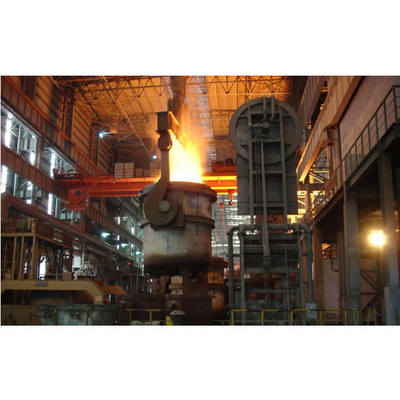
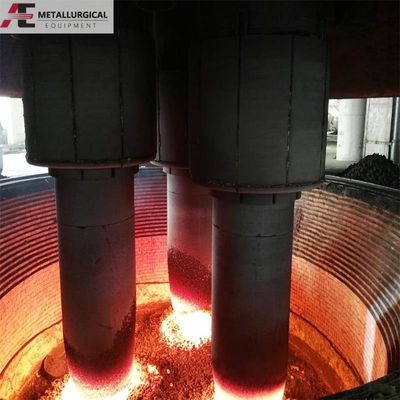
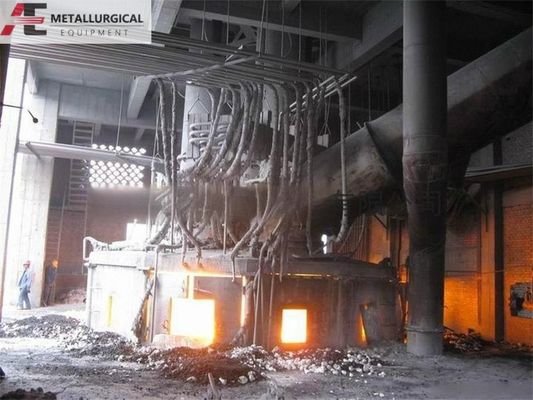
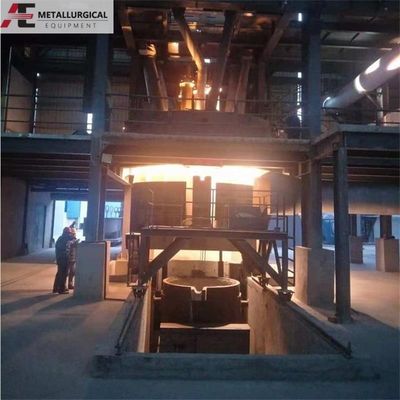
Industrial silicon, also known as metallic silicon, serves as a crucial raw material in the production processes of electric arc furnaces (EAF). This article delves into the pivotal role industrial silicon plays in EAF operations, exploring its characteristics, applications, and profound impact on the steelmaking industry.
Industrial silicon is a high-purity variant of silicon that assumes a vital position in the steelmaking process, particularly within electric arc furnaces. Owing to their flexibility, efficiency, and lower capital costs compared to traditional blast furnaces, EAFs have gained widespread adoption in steel production. Industrial silicon emerges as a key ingredient in EAF operations, enhancing the quality and performance of the produced steel.
The Role of Industrial Silicon in EAF
a) Deoxidizing Agent
One of the primary applications of industrial silicon in EAFs is as a deoxidizer. During the steelmaking process, oxygen inevitably infiltrates the molten steel, potentially leading to defects and compromising product quality. Industrial silicon reacts with this oxygen, forming silica and effectively eliminating unwanted oxygen from the steel. This deoxidation process significantly improves the mechanical properties and overall quality of the final steel product.
b) Strength and Hardness Enhancement
Another critical function of industrial silicon in EAFs is to augment the strength and hardness of steel. By incorporating silicon into steel, it forms a solid solution with iron, thereby increasing tensile strength, toughness, and wear resistance. This enhancement renders the steel suitable for a diverse range of applications, including automotive parts, construction materials, and household appliances.
c) Thermal Stability and Insulation
Silicon's inherent properties, such as low thermal expansion and high heat resistance, make it an ideal material for EAFs. Operating at elevated temperatures, EAFs benefit from industrial silicon's stability and resistance to thermal stress, ensuring its effectiveness throughout the steelmaking process. Furthermore, silicon acts as a thermal insulator, minimizing heat losses during the melting and refining stages, thereby optimizing energy efficiency.
d) Impurity Control
Industrial silicon also plays a pivotal role in controlling impurities during steel production. It aids in reducing sulfur and phosphorus levels, which are detrimental to steel quality. Additionally, silicon helps prevent the formation of unwanted compounds, such as iron sulfide, which can cause steel to become brittle and prone to cracking.
The reliance of electric furnace operations in the steelmaking industry on industrial silicon is substantial. Its availability, cost-effectiveness, and beneficial properties render it an indispensable component in the production of high-quality steel. As the demand for steel continues to surge across various industries, the importance of industrial silicon in EAFs is poised to grow even further in the coming years.
In conclusion, industrial silicon plays a vital role in the steelmaking process, particularly within electric arc furnaces. Its deoxidizing properties, ability to strengthen steel, resistance to high temperatures, and capacity to control impurities make it an indispensable ingredient in the production of high-quality steel. As the steel industry continues to evolve, industrial silicon will remain a key component, driving advancements in steel production and meeting the diverse needs of various industries.
We are a professional electric furnace manufacturer. For further inquiries, or if you require submerged arc furnaces, electric arc furnaces, ladle refining furnaces, or other melting equipment, please do not hesitate to contact us at susan@aeaxa.com


 Your message must be between 20-3,000 characters!